

Market Transformation and Technical Sovereignty: A Comprehensive Analysis of the M
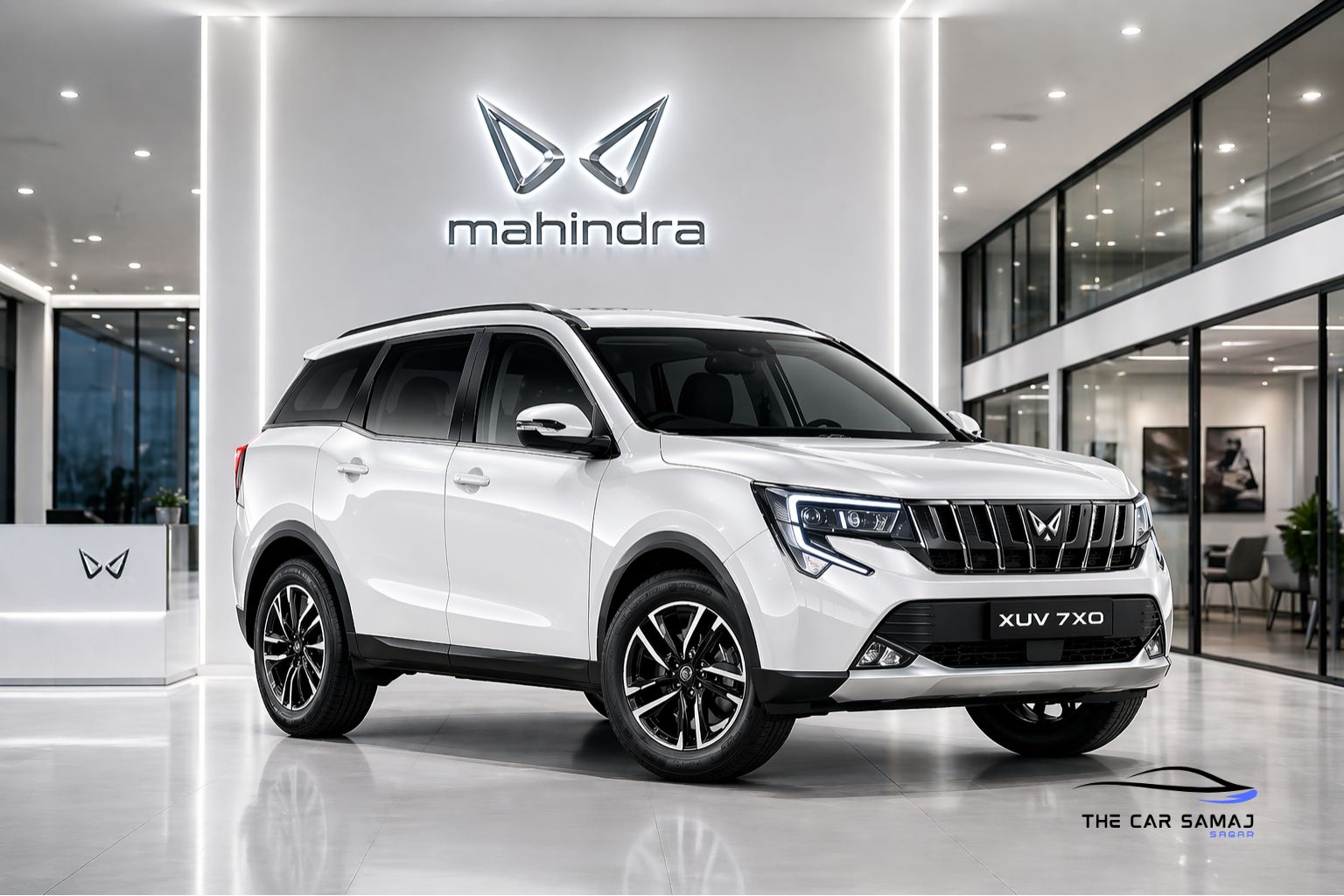
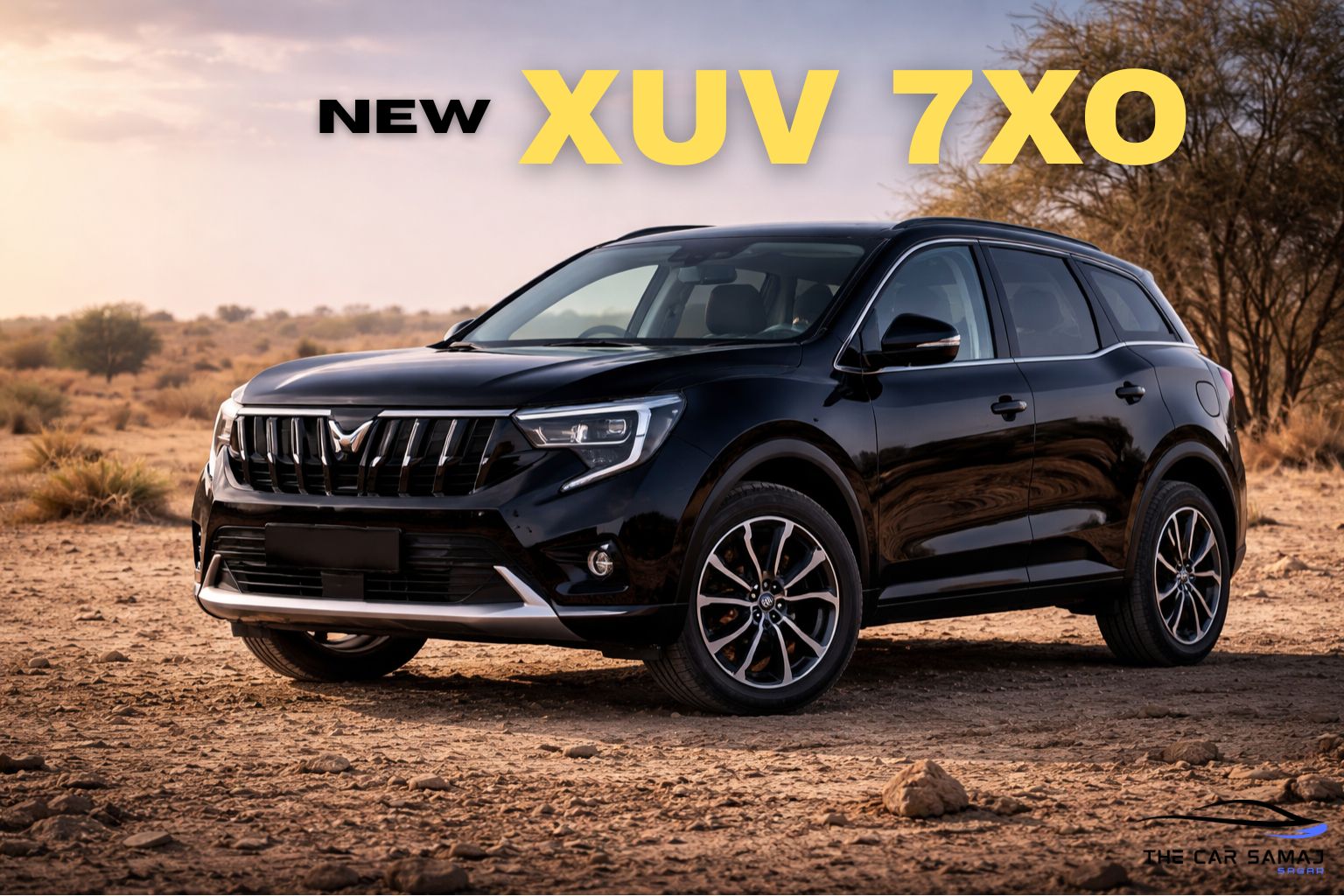
The unveiling of the Mahindra XUV 7XO on January 5, 2026, represents a seminal shift in the Indian automotive landscape, signaling the transition of the flagship internal combustion engine SUV from a purely mechanical asset to a sophisticated software-defined vehicle. As the designated successor to the XUV700—a model that defined the premium mid-size SUV segment since 2021 with over 300,000 units sold—the XUV 7XO is engineered to address the evolving expectations of a digitally native consumer base. This transition is underpinned by an investment of ₹415 crore, funded through internal accruals, reflecting the strategic priority Mahindra & Mahindra places on maintaining its dominance in the ₹15 lakh to ₹30 lakh price bracket. The launch of the 7XO is not merely an aesthetic update; it is a fundamental re-engineering of the vehicle’s electronic architecture, suspension dynamics, and brand identity, aligning it with the new “XO” nomenclature that emphasizes an “X-Factor” in experiential technology.
The Strategic Logic of Nomenclature and Brand Evolution
The transition from the XUV700 moniker to the XUV 7XO is a calculated branding move designed to unify Mahindra’s modern SUV portfolio. This strategy, initiated with the XUV 3XO, moves away from traditional numeric designations toward alphanumeric titles ending in the “XO” suffix. Market research indicates that this shift aligns with the phonetic habits of Indian consumers, who typically refer to the predecessor as the “XUV seven-double-O” rather than “seven hundred”. By adopting the “XO” suffix, Mahindra bridges the gap between official branding and colloquial usage while creating a clear distinction between its internal combustion engine (ICE) lineup and its emerging “e” series electric vehicles, such as the XEV 9e and BE 6e.
This nomenclature also facilitates a structured product hierarchy. The XUV 7XO sits at the apex of a family that includes the XUV 3XO, the anticipated XUV 5XO, and the entry-level XUV 1XO. This clustering allows Mahindra to leverage “topical authority” in the SUV segment, ensuring that when a consumer searches for a modern Mahindra vehicle, they are met with a consistent and futuristic brand image. The “XO” series represents a “tough-premium” character, aiming to reshape aspirations by setting new standards for sophistication and capability in the competitive C-segment SUV market.
Mechanical Innovation: The DAVINCI Suspension System
At the core of the XUV 7XO’s mechanical superiority is the global debut of the DAVINCI suspension system. Developed in collaboration with Tenneco, this valve-based damping technology is engineered specifically to resolve the traditional engineering conflict between ride comfort and handling stability. Conventional dampers often struggle with “frequency decoupling,” where a setting soft enough for city ripples becomes dangerously unstable at high speeds, or a firm setting for corners becomes punishingly harsh on broken roads.
The DAVINCI system utilizes a sophisticated shim stack—a series of unique plates that flex under pressure—to regulate oil flow within the twin-tube damper. The engineering team at Mahindra reportedly performed over 905 iterations on the suspension components, including the “ride bushes” and “handling bushes,” to perfect the damping curve. The result is a system that remains soft at low piston velocities to filter out road imperfections while rapidly firming up past a specific threshold to provide body control during aggressive maneuvers or when falling into deep potholes.
| Component | Technical Specification | Functional Outcome |
|---|---|---|
| Front Suspension | McPherson Strut with FSD and Stabilizer Bar | Sharp turn-in and reduced body roll during cornering. |
| Rear Suspension | Multi-link Independent with FSD and Stabilizer Bar | Enhanced stability and comfort for second and third-row occupants. |
| Damping Tech | DAVINCI Valve-Based Frequency Dependent Damping | Decouples ride comfort from ride control for a plush, settled experience. |
| AHRS | Advanced Hydraulic Rebound Stopper | Cushions the suspension at full extension to prevent “top-out” noise. |
The integration of the Advanced Hydraulic Rebound Stopper (AHRS) further refines the NVH (Noise, Vibration, and Harshness) levels. When the suspension extends fully—such as when rolling off a large speed breaker—the AHRS provides progressively increasing hydraulic resistance, preventing the loud mechanical “thud” associated with conventional dampers. This system provides a 25-30% cost-saving over semi-active electronic units found in EVs while delivering comparable ride quality, making it a critical differentiator for the ICE-powered 7XO.
Digital Architecture: The Software-Defined Vehicle
The XUV 7XO marks Mahindra’s first foray into the “Software Defined Vehicle” (SDV) space for its internal combustion engine lineup. By utilizing an Ethernet-based network architecture, the vehicle drastically reduces traditional wiring complexity while enabling ultra-fast communication between various electronic control units (ECUs). This digital backbone is powered by the Octa-Core Qualcomm Snapdragon 8155P chipset, a high-performance processor typically reserved for premium electric vehicles, ensuring the vehicle’s “AdrenoX+” intelligence hub operates with exceptional speed.
The Triple-Screen HMI Ecosystem
The most visible manifestation of this digital shift is the “coast-to-coast” triple-screen layout, which is remarkably offered as standard even in the base AX trim. This setup consists of three 31.24 cm (12.3-inch) High-Definition displays that stretch across the dashboard, creating an immersive cockpit environment.
- Digital Cluster: Provides the driver with mission-critical data, including real-time Level 2 ADAS visualization and navigation prompts.
- Central Infotainment: Serves as the primary control center for the AdrenoX+ suite, featuring wireless smartphone integration, dual-zone climate controls, and vehicle diagnostics.
- Co-Passenger Screen: A segment-first for ICE SUVs in India, allowing the front passenger to access independent apps, media, and entertainment without distracting the driver.
The system integrates Amazon Alexa with a built-in ChatGPT feature, transforming the voice assistant from a simple command receiver into an intuitive conversational partner capable of managing complex queries and providing entertainment suggestions. Connectivity is further enhanced by Wi-Fi 6.0 and Bluetooth 5.2, supporting up to 93 connected car features and 49 pre-installed “Fun&Work” apps.
Immersive Audio and Safety Visualization
Mahindra has collaborated with Harman Kardon to deliver a 16-speaker, 1400W audio system that incorporates Dolby Atmos and Dolby Vision—the first such integration in an Indian SUV. This system is paired with “VenueScapes Live” technology, allowing passengers to customize the acoustic environment of the cabin. Complementing the audio experience is an advanced 540-degree vision camera system. This system combines traditional 360-degree views with an “underbody vision” feature, which is particularly beneficial for navigating tight urban parking spots or identifying obstacles on off-road trails.
Variant Hierarchy: Democratizing Technology
The XUV 7XO is available in six primary trims: AX, AX3, AX5, AX7, AX7 Tech (AX7T), and AX7 Luxury (AX7L). Mahindra’s stated goal is the “democratization of technology,” which is evidenced by the inclusion of six airbags, the triple-screen setup, and disc brakes on all four wheels as standard across the entire range.
The Entry and Mid-Spec Disruptors: AX to AX5
The base AX variant is strategically priced from ₹13.66 lakh, effectively challenging lower-segment compact SUVs by offering a massive digital upgrade. While the AX focuses on establishing the tech-heavy identity of the 7XO, the AX3 and AX5 introduce the core convenience features that the mass market demands, such as panoramic sunroofs and parking assistance.
| Variant | Key Standard Enhancements | Target Audience |
|---|---|---|
| AX | Triple 12.3″ HD Screens, AdrenoX with ChatGPT, 6 Airbags, Bi-LED Projector Headlamps | Tech-savvy buyers seeking premium branding at an entry price point. |
| AX3 | Rear View Camera with Guidelines, Power Folding ORVMs, Rear Wiper/Washer | Practical urban families requiring basic digital safety assists. |
| AX5 | Panoramic Skyroof™, Front Parking Sensors, 17″ Stylized Steel Wheels, Telescopic Steering | Enthusiasts prioritizing cabin openness and perceived luxury. |
The High-Spec and Chauffeur Trims: AX7 to AX7L
The upper tiers of the 7XO range focus on material quality and advanced autonomy. The AX7 variant marks a transition to a more “lounge-like” interior with leatherette finishes and dual-zone climate control. The AX7 Tech (AX7T) is specifically tuned for highway dominance, featuring the full Level 2 ADAS suite. Finally, the AX7 Luxury (AX7L) addresses the chauffeur-driven market with its segment-first ventilated second-row seats and powered “Boss Mode” for the front passenger seat.
| Variant | Key Premium Enhancements | Target Audience |
|---|---|---|
| AX7 | 18″ Diamond-cut Alloys, 6-way Powered Driver Seat with Memory, 540-degree Camera, TPMS | Premium lifestyle users seeking a comprehensive tech and comfort package. |
| AX7 Tech | Level 2 ADAS, 16-speaker Harman Kardon, Ventilated Front Seats, Wireless Charging, Knee Airbag | Highway cruisers and safety-conscious long-distance travelers. |
| AX7 Luxury | 19″ Diamond-cut Alloys, Ventilated 2nd Row Seats, Powered Co-driver Seat with Boss Mode, Rear Wireless Charger | Chauffeur-driven executives and those seeking maximum segment luxury. |
Powertrain Dynamics and Performance Metrics
The XUV 7XO continues to utilize the mStallion and mHawk engine families, which remain some of the most powerful and refined powertrains in the Indian market. The 2.0-litre Turbo Petrol with Direct Injection (TGDi) is tuned to deliver 200 hp, while the 2.2-litre mHawk Turbo Diesel provides up to 450 Nm of torque in its automatic iteration.
Technical Specifications by Engine Type
The performance of these engines is managed through 6-speed manual and 6-speed torque converter automatic transmissions. Notably, the diesel engine retains its exclusive All-Wheel Drive (AWD) option for the automatic AX7, AX7T, and AX7L trims, positioning it as a more capable all-terrain vehicle compared to its primary front-wheel-drive competitors.
| Parameter | 2.0L mStallion Turbo Petrol | 2.2L mHawk Turbo Diesel |
|---|---|---|
| Displacement | 1997 cc | 2184 cc |
| Peak Power | 200 PS (197 bhp) @ 5000 rpm | 185 PS (182 bhp) @ 3500 rpm |
| Peak Torque | 380 Nm @ 1750-3000 rpm | 420 Nm (MT) / 450 Nm (AT) @ 1750-2800 rpm |
| Transmission | 6-speed MT / 6-speed AT | 6-speed MT / 6-speed AT |
| Drive Layout | Front-Wheel Drive (FWD) | FWD / All-Wheel Drive (AWD) |
Fuel Efficiency and Ownership Economics
The high power output of these engines necessitates a clear understanding of real-world fuel economy, which remains a primary concern for potential buyers. The 2.0L mStallion petrol is described by users as an “addictive” but “thirsty” engine, particularly in congested city conditions where mileage can drop to 6-8 km/l. The 2.2L mHawk diesel offers significantly better efficiency, particularly on the highway, where it can achieve 16-18 km/l.
The calculation of the breakeven point between petrol and diesel variants is a frequent technical query. Given a price premium of approximately ₹2 lakh for the diesel variant, and assuming a cost of ₹100 per litre for petrol and ₹92 for diesel, a user with a typical 10,000 km annual run would require approximately 4 to 5 years to recoup the initial investment. However, the diesel variant’s significantly higher range—estimated at 850 km per tank compared to 450 km for the petrol—remains a critical factor for long-distance night driving where frequent refueling is undesirable.
| Fuel & Transmission | Reported City Mileage | Reported Highway Mileage |
|---|---|---|
| Petrol Manual | 6 – 7 km/l | 11 – 13 km/l |
| Petrol Automatic | 5 – 6 km/l | 10 – 12 km/l |
| Diesel Manual | 9 – 11 km/l | 15 – 17 km/l |
| Diesel Automatic | 8 – 10 km/l | 16 – 18 km/l |
Operational Realities: Booking Volumes and Waiting Periods
The market response to the XUV 7XO has been overwhelming, with combined bookings for the 7XO and its electric sibling, the XEV 9S, exceeding 93,689 units within the first hours of launch, valued at over ₹20,500 crore. This massive demand, set against a monthly production capacity of approximately 7,000 to 8,000 units at Mahindra’s Chakan facility, has resulted in significant waiting periods.
Variant-Specific Delivery Timelines
Waiting periods vary drastically depending on the chosen variant and powertrain configuration. Interestingly, the base AX variant commands the longest wait, reaching up to 12 months, likely because Mahindra is focusing production capacity on higher-margin top trims to manage the launch momentum.
| Variant | Petrol Waiting Period | Diesel Waiting Period | Drivetrain |
|---|---|---|---|
| AX | 12 Months | 12 Months | FWD MT |
| AX3 | 5 Months | 5 Months | FWD MT/AT |
| AX5 | 5 Months | 5 Months | FWD MT/AT |
| AX7 | 4 Weeks | 6 Weeks | FWD MT/AT |
| AX7 Tech | 4 Weeks | 4 Weeks | FWD/AWD |
| AX7 Luxury | 4 Months | 6 Months | FWD/AWD |
The AX7 Tech (AX7T) variant currently offers the shortest delivery timeline, often under four weeks, making it the most viable option for buyers who require immediate vehicle access. Deliveries for the lower trims (AX, AX3, AX5) are generally slated to begin in April 2026, while the higher trims (AX7 and above) began reaching customers as early as mid-January 2026.
Comparative Analysis: XUV 7XO vs. Tata Safari and Competitors
The primary competitive battleground for the XUV 7XO is set against the Tata Safari and the MG Hector Plus. While all three offer 6 and 7-seater configurations, their engineering philosophies and feature priorities differ significantly.
Dimensions and Road Presence
The XUV 7XO is the longest vehicle in its segment at 4,695 mm, marginally exceeding the Tata Safari (4,668 mm). However, the Safari remains wider and taller, which contributes to a more traditional, imposing SUV stance. The XUV 7XO, with its sharper lines, flush door handles, and “jewel-like” grille accents, is aimed at a younger, tech-oriented demographic.
| Dimension | Mahindra XUV 7XO | Tata Safari (2026) | MG Hector Plus |
|---|---|---|---|
| Length | 4,695 mm | 4,668 mm | 4,699 mm |
| Width | 1,890 mm | 1,922 mm | 1,835 mm |
| Height | 1,755 mm | 1,795 mm | 1,760 mm |
| Wheelbase | 2,750 mm | 2,741 mm | 2,750 mm |
| Ground Clearance | 200 mm | 205 mm | 192 mm |
| Boot Space | 240 Litres | 420-680 Litres | 155 Litres |
Feature and Value Benchmark
The Tata Safari prioritizes traditional luxury and boot space, offering 420 litres with all rows up, whereas the XUV 7XO focuses on the “digital-heavy” dashboard and raw engine performance. The XUV 7XO petrol engine significantly outperforms the Safari’s 1.5L turbo-petrol unit (200 PS vs 170 PS), offering superior highway overtaking and towing capabilities. Conversely, the Safari’s 1.5L petrol engine is expected to deliver better real-world fuel efficiency, making it more city-friendly for budget-conscious families.
Consumer Sentiment and Field Observations
Analysis of user discussions on platforms like Team-BHP and Reddit reveals a mix of admiration for the 7XO’s technical prowess and specific practical concerns.
Genuine User Concerns and Critiques
One of the most frequent genuine questions from potential owners involves the steering feel. Critics describe the steering as “super light” and lacking “firmness,” which can be overwhelming for those transitioning from sedans like the Honda City. There is also a significant debate regarding the second-row seat flexibility; unlike the Innova Hycross, the XUV 7XO’s second row cannot slide forward or backward due to the monocoque chassis architecture, which limits legroom adjustment for third-row passengers.
Other unique complaints include:
- Haptic Controls: The transition of climate control and drive mode switches to a haptic touch panel is viewed as a “recipe for disaster” by some, as it requires the driver to take their eyes off the road.
- Boot Space: The 240-litre boot is described as “nearly non-existent,” causing anxiety for families planning long-distance trips with seven occupants.
- Idle Vibrations: Some users report noticeable vibrations through the steering and pedals during idling, although the engine becomes exceptionally refined once the vehicle is in motion.
- Indicator Visibility: The front sequential indicators have been described as too small relative to the large headlamp housing, potentially affecting visibility to oncoming traffic.
Performance vs. Comfort Trade-offs
The 19-inch alloy wheels on the AX7L variant provide a modern aesthetic but raise concerns about ride quality on unpaved roads. Enthusiasts have noted that the 55-profile tires are less suited for dirt tracks compared to the 18-inch 60-profile tires found on the lower AX7 trim. Despite this, the DAVINCI suspension is consistently praised for its “magic” ability to handle speed breakers and highway dips without launching the vehicle or slamming into the bump stops.
Digital and SEO Landscape: Trending Keywords and Search Strategy
For automotive bloggers and content strategists, the XUV 7XO represents a high-interest search cluster with distinct trending and long-tail keyword profiles.
Trending “Head” Keywords
Broad search terms with high monthly volume in 2026 include:
- “Mahindra XUV 7XO price in India”
- “Mahindra XUV 7XO launch news”
- “XUV 7XO vs XUV700 facelift changes”
- “Mahindra XUV 7XO 3 screen dashboard”
- “XUV 7XO waiting period list 2026”
Long-Tail Keywords for Targeted SEO
Long-tail keywords are essential for capturing high-intent traffic from users deep in the research phase. Successful content should focus on:
- “Real world mileage of XUV 7XO petrol automatic city traffic”
- “How to book XUV 7XO test drive in Noida”
- “XUV 7XO AX base variant features list standard”
- “Difference between Mahindra DAVINCI suspension and FSD”
- “Is XUV 7XO AWD available in petrol automatic?”
- “Breakeven point between XUV 7XO petrol vs diesel 15000 km per year”
Financial and Regional Analysis: Noida and Delhi NCR
For buyers in the Delhi NCR region, regional taxes and registration fees significantly influence the total ownership cost. The on-road price in Noida for the base AX variant starts at approximately ₹15.64 lakh, while the fully-loaded AX7L Diesel AWD AT is priced near ₹29 lakh.
Detailed Price Breakdown for Noida (AX Base Variant)
| Component | Cost (INR) |
|---|---|
| Ex-Showroom Price | ₹13,66,000 |
| Individual Registration (RTO) | ₹1,51,010 |
| Insurance (Policy Bazaar Estimate) | ₹74,467 |
| TCS (1%) | ₹13,660 |
| Statutory Fees & Other Charges | ₹14,160 |
| Total On-Road Price (Noida) | ₹16,05,637 |
EMI options for this variant typically start around ₹26,121 for a 5-year tenure with a 10% interest rate and a down payment of roughly ₹3.9 lakh. In Delhi, the on-road price is slightly lower for certain variants due to differences in state-level taxation, starting from ₹16.0 lakh for the base petrol.
Conclusion: The Market Impact of the XUV 7XO
The Mahindra XUV 7XO is a definitive attempt to move the goalposts for the premium SUV segment in India. By integrating high-end computing (Snapdragon 8155P), world-first suspension technology (DAVINCI), and a futuristic digital interface as standard, Mahindra has effectively insulated the model against the rapid feature-creep from rivals like the Tata Safari and Hyundai Alcazar.
While the vehicle faces challenges in traditional practicality—specifically the non-sliding second row and the limited boot space—the sheer volume of “experiential tech” appears to have struck a chord with the market, as evidenced by the 93,000+ initial bookings. For content creators, the vehicle provides a rich ecosystem of technical and lifestyle topics. For buyers, it offers a “dream investment” that combines the raw performance of Mahindra’s traditional engines with the sophisticated software architecture of the future. The success of the 7XO will ultimately depend on Mahindra’s ability to ramp up production to meet the year-long waiting periods while maintaining the high software reliability required for a modern “Software Defined Vehicle”.
FAQs



Leave a Reply