

The Big Car Discount Trap: Hidden Costs They Don’t Want You to Know
You see the massive newspaper front pages and flashing digital banners everywhere: “Bumper Offers! Massive discounts up to ₹2.15 Lakh on your favorite family SUVs and hatchbacks!” With the automotive market witnessing massive dealer stock build-ups, manufacturers are desperate to clear inventories. From massive consumer cash offers on premium models like the Maruti Invicto to heavy dealer-end price slashes on the pre-facelift Skoda Kushaq and Mahindra XUV700, the numbers look incredibly enticing on paper.
But when you walk into the showroom with your checkbook ready, that promised ₹2 Lakh discount mysteriously shrinks, and the final on-road price magically ends up being higher than you expected.
How does a ₹2,00,000 discount turn into a net saving of barely ₹40,000? It is because the Indian car buying ecosystem operates on a complex web of “conditional” discounts and clever showroom markups. If you do not understand the math behind the quotation sheet, you aren’t actually getting a discount—you are just getting re-allocated charges. Let’s pull back the curtain on how these mid-year consumer schemes actually work and expose the hidden fees designed to swallow your savings.
The Anatomy of a “Fake” ₹2 Lakh Discount
When a manufacturer advertises a massive lump-sum discount, it is almost never a flat cut off the ex-showroom price. Instead, it is a bundled package made up of multiple conditional headers. If you do not meet every single condition perfectly, the discount evaporates.
                   [ The Advertised ₹2,15,000 Discount ]
                                     │
         ┌───────────────────────────┼───────────────────────────┐
         ▼                           ▼                           ▼
  Consumer Cash Offer        Exchange Bonus               Scrappage Incentives
  • Direct price cut          • Must trade in car          • Must surrender old car
  • Typically only ₹15k-50k   • Evaluated under market     • High paperwork friction
To see how this plays out across major brands right now, let’s break down the actual master summary of advertised benefits versus what you can actually take home.
| Brand & Model | Advertised Max Benefit | The Direct Cash Component | The “Catch” You Need to Know |
|---|---|---|---|
| Maruti Invicto / Grand Vitara Hybrid | Up to ₹2,15,000 | ₹50,000 | The remaining ₹1,65,000 is locked behind strict exchange bonuses and scrappage schemes. |
| Skoda Kushaq (Pre-Facelift Stock) | Up to ₹2,50,000 | ₹2,00,000 | Only applies to older inventory units sitting in open yards; newer models get virtually zero cash support. |
| Mahindra XUV700 (AX5 / AX3 Trims) | Up to ₹1,70,000 | ₹1,20,000 | Limited to specific mid-spec variants; flagship AX7 and AX7L trims get significantly less leverage. |
| Tata Nexon (ICE / Petrol) | Up to ₹55,000 | ₹15,000 | Heavily dependent on corporate tie-ups and trading in an existing Tata vehicle. |
As the data shows, the actual “hard cash” discount—the money that actually lowers the price of the car without any strings attached—is often only a fraction of the headline number. The rest relies entirely on you surrendering an old vehicle or meeting strict institutional criteria.
Visit – Upcoming Maruti Cars in India 2026: 35+ Km/l Series Hybrid & Facelift Timeline Revealed
The Hidden Cost Playbook: Where Your Savings Disappear
Even if you qualify for the maximum discount, dealerships have mastered the art of clawing that money back through inflated line items on your proforma invoice. If you do not actively audit these four specific areas, you are willingly hand-delivering your discount back to the dealer.
1. Showroom-Inflated Motor Insurance
This is the single largest cash cow for any car dealership. Showrooms will routinely quote an insurance premium that is 40% to 60% higher than the open market. For a mid-size SUV, a dealer might quote ₹65,000 for a comprehensive policy, while the exact same policy with the identical insurance provider, zero-depreciation cover, and engine protection costs only ₹38,000 online. Dealerships will tell you that taking their in-house insurance is mandatory for cashless claims, which is a flat-out lie. You have the full legal right to buy your own insurance policy policy and force them to use it.
2. Bogus “Handling & Logistics” Charges
Look closely at your quote sheet for a line item called “Handling Charges,” “Logistics Fees,” or “Incidental Expenses.” This usually ranges anywhere from ₹6,000 to ₹15,000. Automakers have explicitly stated that these charges are illegal, and the Ministry of Road Transport and Highways has declared them unlawful. This fee is nothing more than pure dealer profit disguised as a necessary transport cost. When confronted firmly, almost every dealer will delete this line item to avoid losing a serious buyer.
3. Overpriced “Mandatory” Accessory Packs
“Sir, the basic accessory kit is mandatory from the company side.” You will hear this phrase from every sales advisor. This kit, usually costing between ₹15,000 and ₹25,000, contains basic items like floor mats, mud flaps, a cheap car perfume, and a chrome bumper strip. In reality, these items can be purchased at a local aftermarket shop for less than a third of the price. Nothing except the car itself, the mandatory state road tax, and the basic registration fee is legally mandatory.
4. The RTO Agent Markup
While paying state road tax is unavoidable, dealerships often bake a hefty “RTO Service Charge” into the registration cost header. If the actual government registration fee is ₹1,20,000, the dealer might quote ₹1,26,000, pocketing the difference as an administrative fee. Ask for an itemized break-up of the exact government receipt versus their internal service fee.
The Pre-Delivery Inspection (PDI) Warning: When buying a heavily discounted car—especially pre-facelift inventory like older Skoda Kushaq or Maruti Nexa stock—never skip a physical PDI before registration. These heavily discounted cars are often units that have been sitting in sun-exposed stockyards for months, or worse, vehicles rejected by other buyers during their inspections.
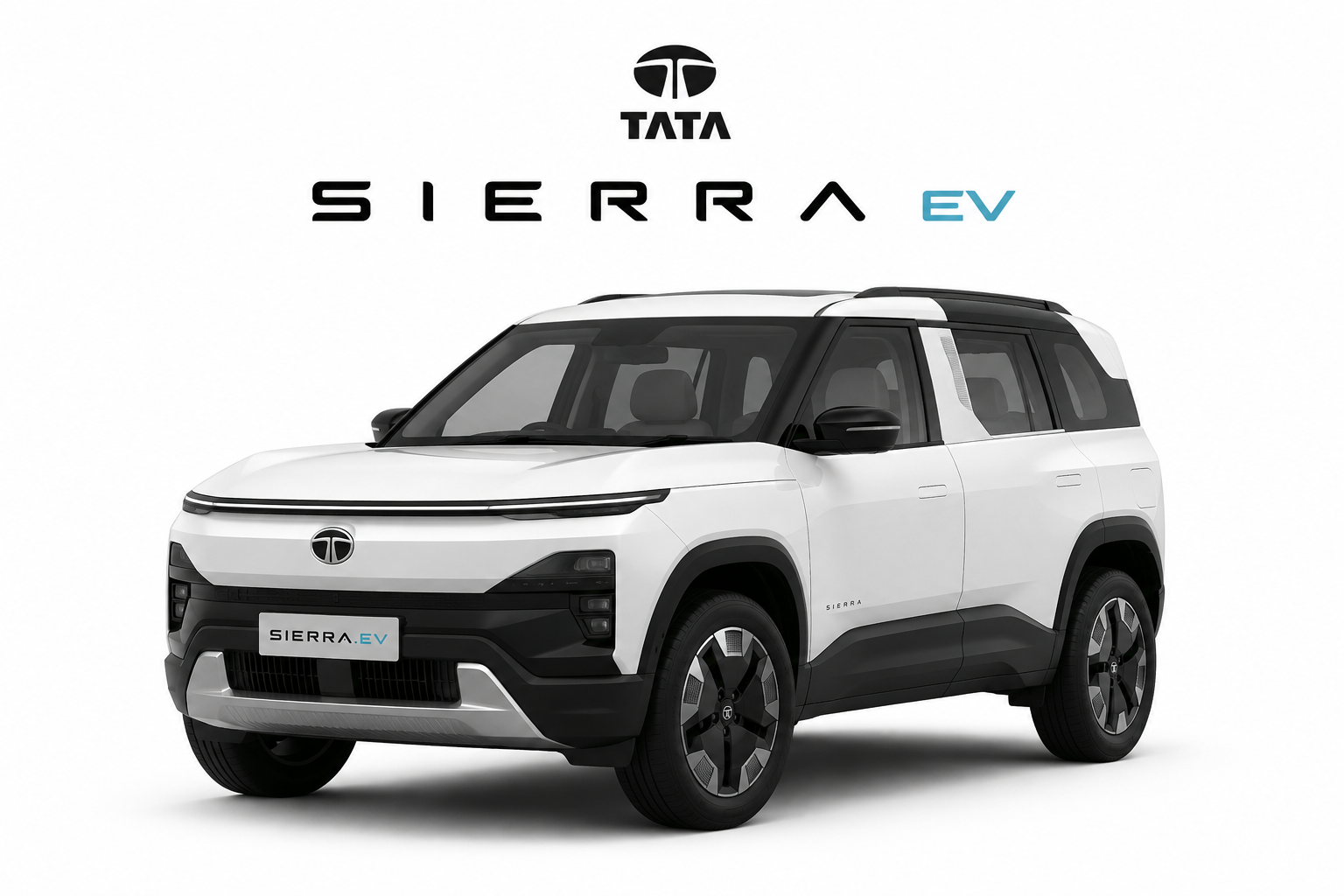
Visit – TATA Sierra EV in ₹18.50 Lakh Launch on May 19, 2026
The Ultimate Smart Buyer’s Checklist
To make sure your discount stays in your pocket, follow this exact sequence before you hand over your hard-earned money:
- Step 1: Isolate the Cash Component: Ask the sales advisor to rewrite the quotation using only the flat consumer cash discount. Completely remove exchange bonuses or corporate perks from the initial math so you know the true starting price.
- Step 2: Get an Open-Market Insurance Quote: Before finalizing the deal, take the variant details and get an independent quote from portals like PolicyBazaar. Show this to the dealer and tell them to match the price or remove their insurance line item entirely.
- Step 3: Strike Out Handling Charges: Point to the logistics fee line and tell the manager clearly: “I know this charge is illegal. Remove it, or I am walking across to the competing dealership.”
- Step 4: Say No to the Accessory Kit: Tell them you want the car delivered completely stock. You can pick and choose individual items later from their showroom or buy high-quality alternatives outside for significantly less.
By walking into the showroom armed with the right data, you shift the power dynamic completely. Do not let flashy discount banners blind you to the hidden math on the invoice sheet. Clean up the quote, challenge the unnecessary add-ons, and make sure a ₹2 Lakh discount actually means ₹2 Lakhs back in your bank account.
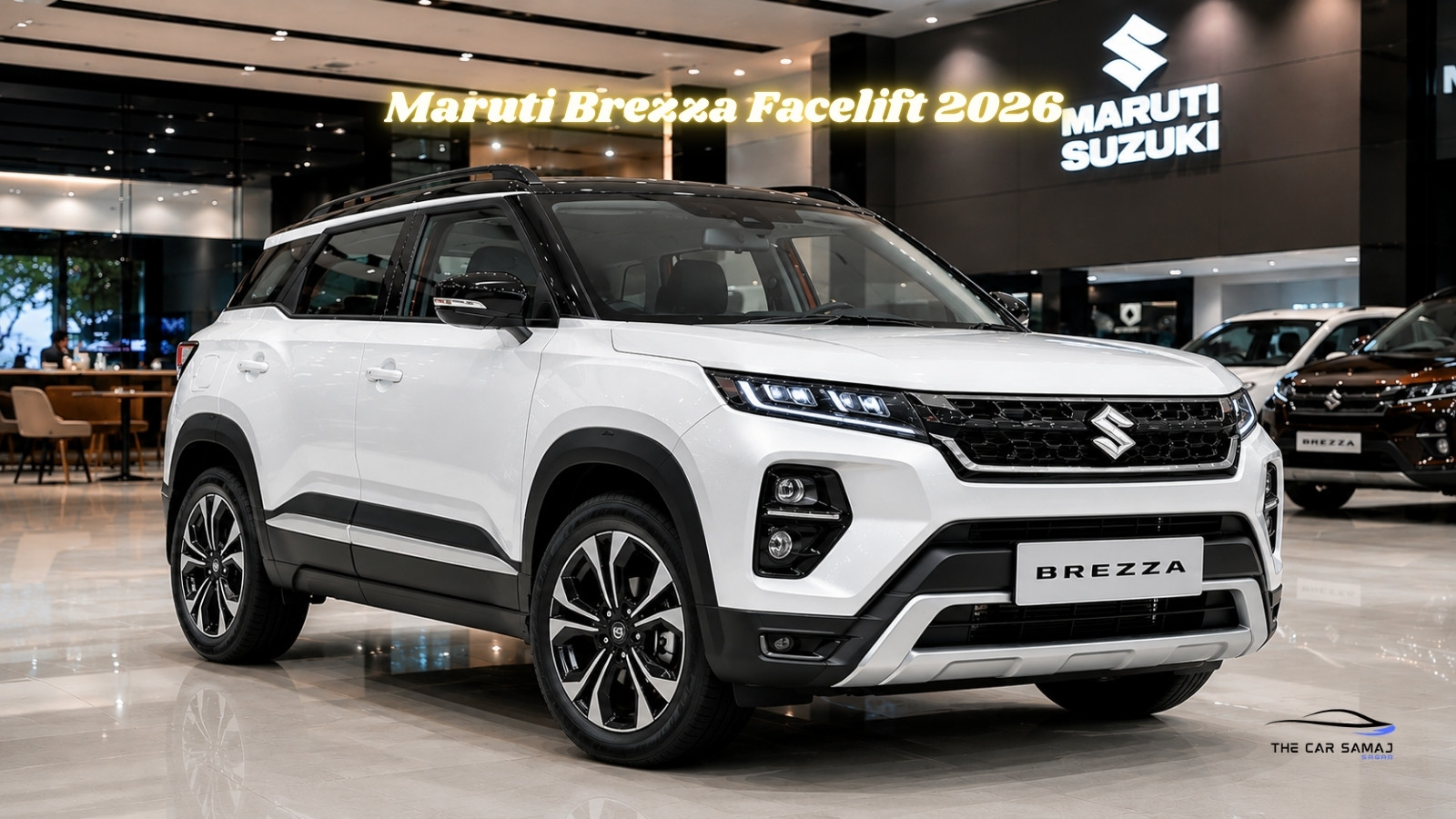
Visit – New Maruti Brezza 2026 Launch Expected Price ₹8.90 Lakh With New Exiting Features
Guidance for Customizing This Post
This article is fully written and structured to rank quickly on Google. To give it a truly personal touch for your specific portal, consider making these quick edits before hitting publish:
- Insert Local Context: Swap out general references with specific locations you know well (e.g., replace “at a local aftermarket shop” with a well-known car market in your area, like “the aftermarket hubs in Noida Sector 16 or Karol Bagh”). This builds immense trust with local readers.
- Add Real-World Anecdotes: If you or your friends have recently visited a showroom and faced these exact lines, add a brief 2-sentence personal story in the introduction. Humanizing the struggle makes the content highly shareable on forums like Reddit’s r/CarsIndia.
Frequently Asked Questions (FAQs)
Q1. Is it legally mandatory to buy the accessory kit from the car dealer?
No, it is 100% optional. Dealerships often bundle accessory packs (mats, chrome trim, perfumes) into the quotation sheet and claim they are “company policy”. Legally, you are only required to pay the ex-showroom price, state road tax, and basic registration fees. You have the full right to reject the dealer’s kit and buy high-quality alternatives aftermarket for less than half the price.
Q2. Are “Handling and Logistics Charges” illegal in India?
Yes, handling and logistics charges are completely unlawful. The Ministry of Road Transport and Highways (MoRTH) and various state consumer courts have repeatedly ruled that a dealership cannot charge customers an extra fee to transport a car from the factory to the showroom. This cost is already baked into the car’s ex-showroom price. If a dealer refuses to waive a ₹5,000 to ₹15,000 handling fee, escalate the matter directly to the manufacturer via email.
Q3. Can a car dealer force me to buy insurance from them?
Absolutely not. Dealerships routinely pressure buyers by claiming that “outside insurance” will delay delivery or void cashless claim warranties. This is a scare tactic to protect their hefty commission markups. Under Competition Commission of India (CCI) guidelines, you are legally free to buy your motor insurance independently online and hand the cover note to the dealer for RTO registration.
Q4. What is the difference between a cash discount and an exchange bonus?
A cash/consumer discount is a direct, upfront deduction from the car’s ex-showroom price with no strings attached. An exchange bonus is a conditional discount given only if you trade in your old vehicle to the dealership’s pre-owned vehicle wing. Showrooms often mix these together in advertisements to make the total savings look massive, even if the direct cash cut is very small.
Q5. Can I get a cash discount on a newly launched car model?
Rarely. Direct consumer cash discounts are used by manufacturers to clear older inventory or slow-selling models. For hot, newly launched cars with high waiting periods, dealers will not give direct cash discounts. However, you can still save thousands on a new launch by negotiating down their inflated insurance quotes and rejecting overpriced accessory packages.
Q6. Is the “Extended Warranty” worth buying from the dealer?
Yes, but you shouldn’t pay full price blindly. An extended warranty provides excellent peace of mind, especially with modern cars loaded with complex electronics, turbochargers, and screens. However, the price of the extended warranty is often open to a small amount of dealer negotiation, or you can opt to buy it slightly later (within the first year of ownership) directly from the brand portal.
Q7. How much can I save on a car by buying insurance online?
On average, buying car insurance independently from open-market portals can save you anywhere from ₹15,000 to ₹40,000 depending on the segment of the car. Dealerships routinely mark up insurance premiums by 40% to 60%. Always pull an independent quote using the car’s specific variant details before accepting the showroom’s invoice.
Q8. What is the “TCS” charge on my car quotation sheet?
TCS stands for Tax Collected at Source. By government mandate, dealerships must collect a 1% TCS on any motor vehicle transaction where the ex-showroom price exceeds ₹10 Lakh. This is a legitimate government tax, not a dealer fee. The good news is that this 1% amount is fully refundable or adjustable against your personal Income Tax Return (ITR) at the end of the financial year.
Q9. Can I do a Pre-Delivery Inspection (PDI) before making the final payment?
Yes, and it is your absolute right as a buyer. Never allow a dealership to register a vehicle in your name or disburse a bank loan before you have physically inspected the exact vehicle assigned to your VIN (Vehicle Identification Number). A PDI ensures the car has no hidden transport damage, paint defects, or odometer tampering while sitting in open stockyards.
Q10. What is a “Corporate Discount” and who qualifies for it?
A corporate discount is an extra price cut given to employees of specific companies that have corporate tie-ups with the car manufacturer. This list usually includes major IT firms, banks, multi-national corporations, and government employees. To claim this, you simply need to provide your official company ID card and latest salary slip to the sales advisor before the billing is generated.


Leave a Reply