

EVs on the Horizon: India’s Most Exciting Electric Cars Coming in 2026
India’s automotive industry is standing at the edge of a massive transformation. Electric vehicles (EVs) are no longer a futuristic concept—they are quickly becoming the new normal. With stronger government incentives, expanding charging infrastructure, and growing environmental awareness, the Indian EV market is entering a powerful growth phase.
By 2026, experts predict that over 30 new electric cars will launch in India, covering every segment from compact city EVs to premium luxury sedans. This rapid expansion means buyers will have more choices, better technology, and increasingly competitive prices.
For car enthusiasts and potential buyers alike, the coming years will redefine how Indians think about mobility. At The Car Samaj, we closely track these developments, and in this article, we explore the most anticipated electric cars launching in India in 2026.
Why 2026 Will Be a Landmark Year for Electric Cars in India
India’s EV market has grown steadily over the past few years, but 2026 could become the turning point. Several factors are driving this momentum.
1. Government Support and EV Policies
The Indian government has introduced various initiatives such as FAME incentives, tax benefits, and manufacturing support. These policies are encouraging both domestic and international automakers to invest heavily in EV development.
2. Rapid Charging Infrastructure Expansion
Charging stations across major cities and highways are increasing quickly. Companies like Tata Power, Reliance Industries, and Adani Group are investing heavily in EV charging networks.
3. Growing Competition from Global Brands
One of the biggest shifts in the market is the aggressive expansion of global EV brands. Companies like BYD and MG Motor have captured a significant portion of India’s EV passenger market.
Reports suggest that Chinese EV brands now control nearly 33% of India’s EV market share, forcing Indian manufacturers to accelerate innovation.
For buyers, this competition is excellent news. It means better technology, longer driving range, and competitive pricing.
Most Anticipated Electric Cars Launching in India in 2026
Let’s explore the top upcoming electric vehicles expected to launch in India in 2026.
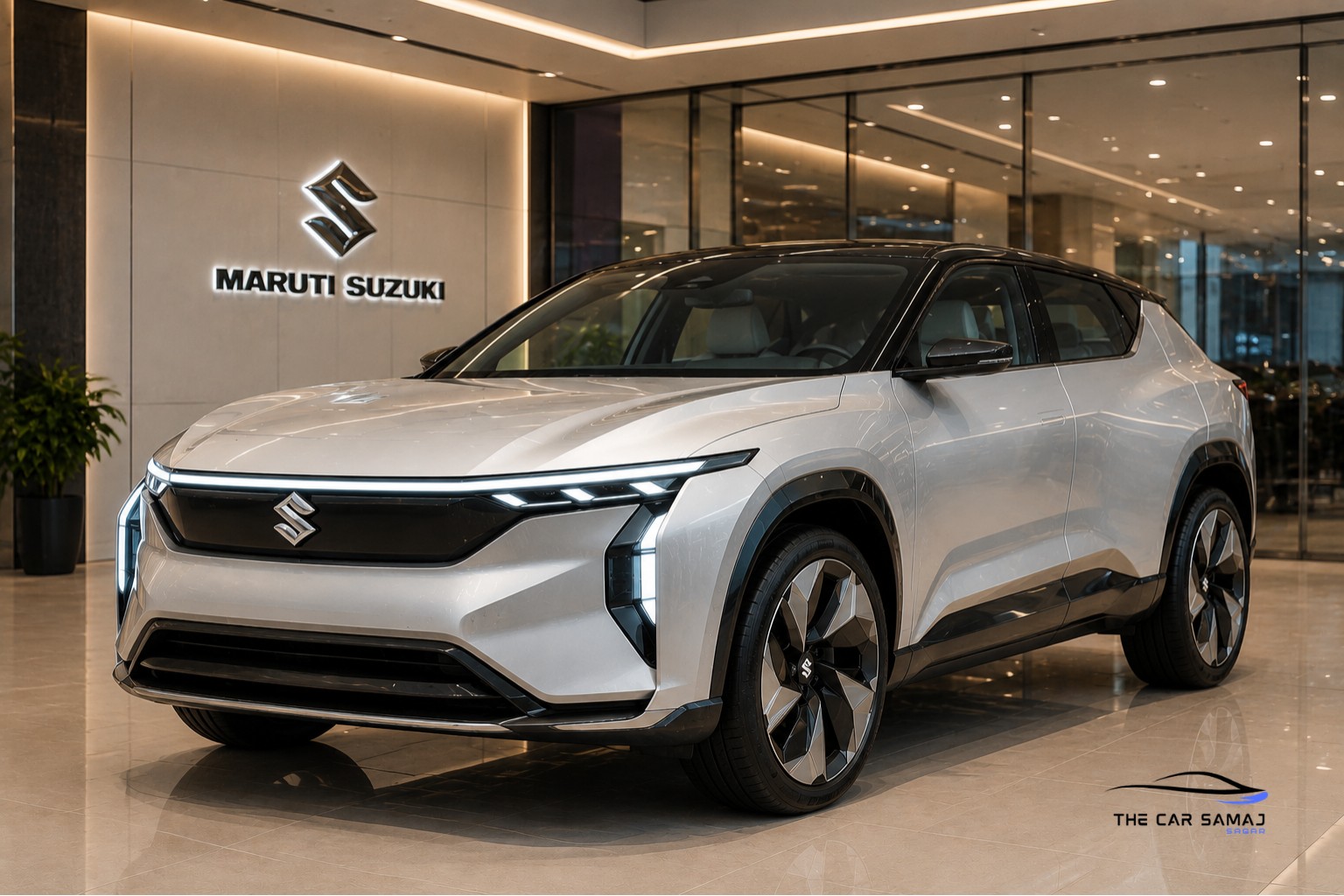
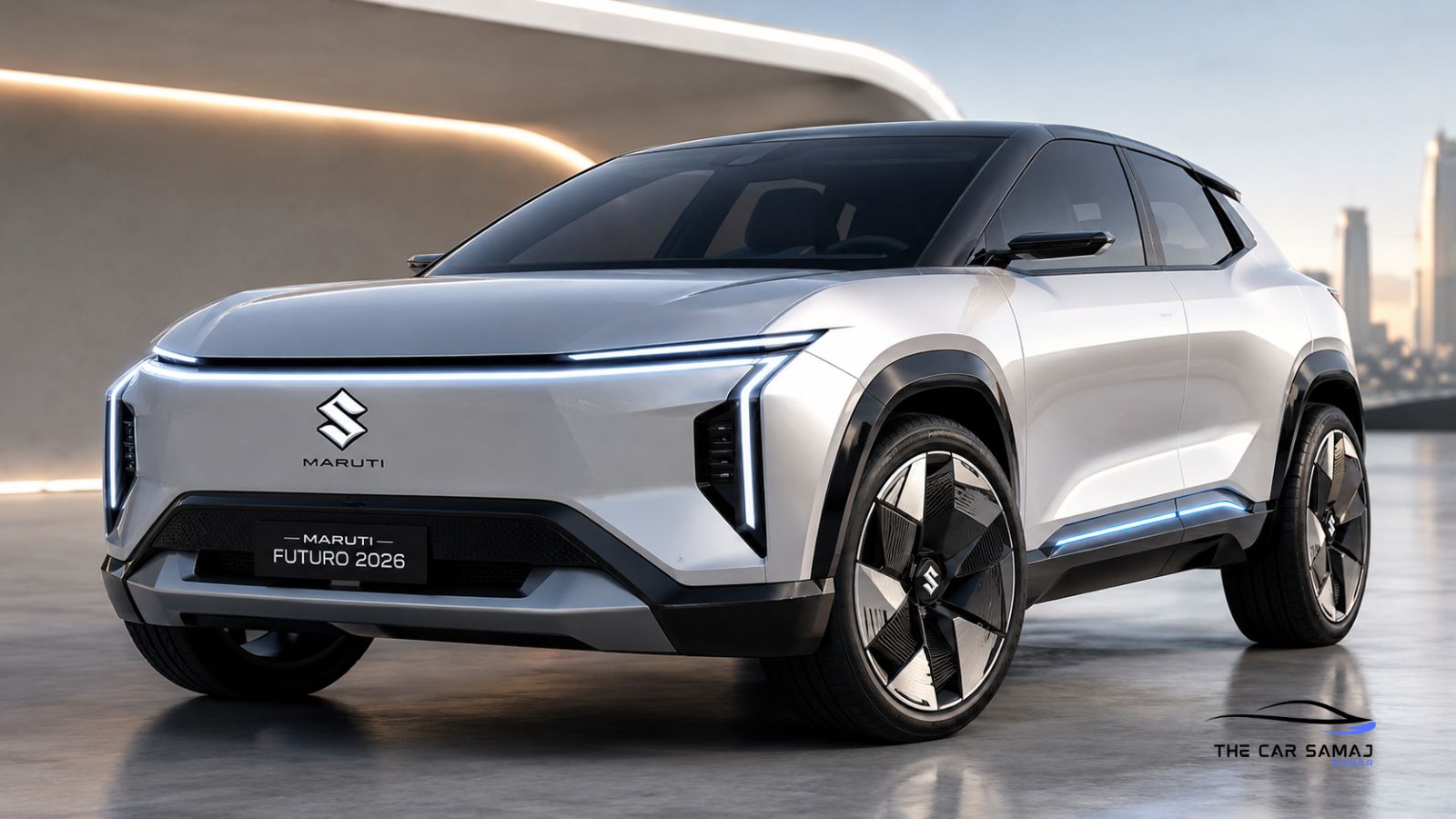
Maruti Suzuki e Vitara – Maruti’s First Serious EV
After years of waiting, Maruti Suzuki is finally entering the electric vehicle market with the Maruti Suzuki e Vitara.
Expected Specifications
- Battery options: 49 kWh and 61 kWh
- Estimated range: Up to 543 km
- Possible All-Wheel Drive (AWD) variant
- High safety rating expected under Bharat NCAP
Why This EV Is Important
Maruti Suzuki dominates India’s passenger car market. Once the brand enters the EV segment seriously, it could dramatically accelerate EV adoption across the country.
The e Vitara will likely become a high-volume electric SUV, targeting families looking for reliability, practicality, and strong after-sales support.
Visit here for the detailed review of Maruti E Vitara
Visit – E Virara On Road Price In India- The car samaj
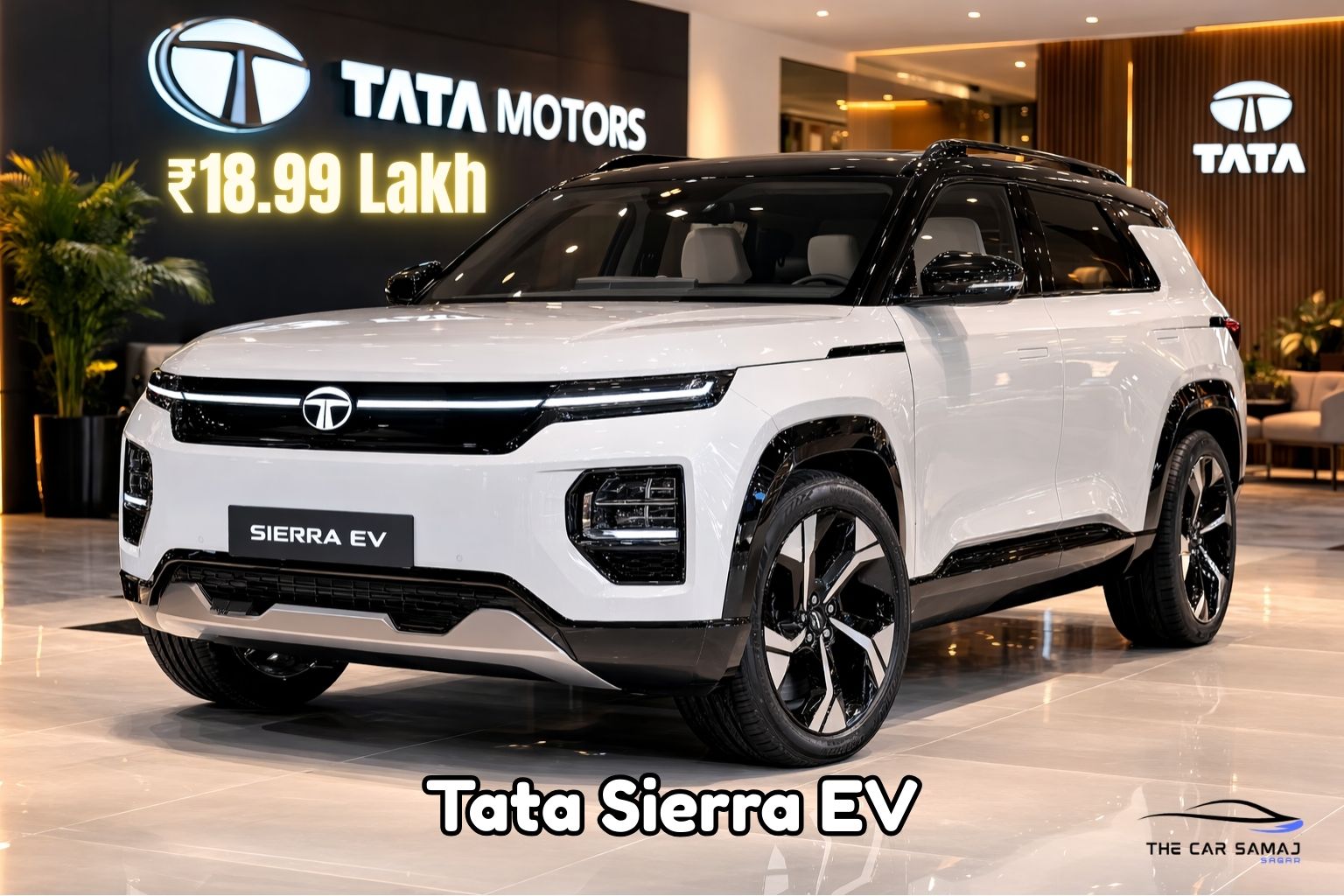
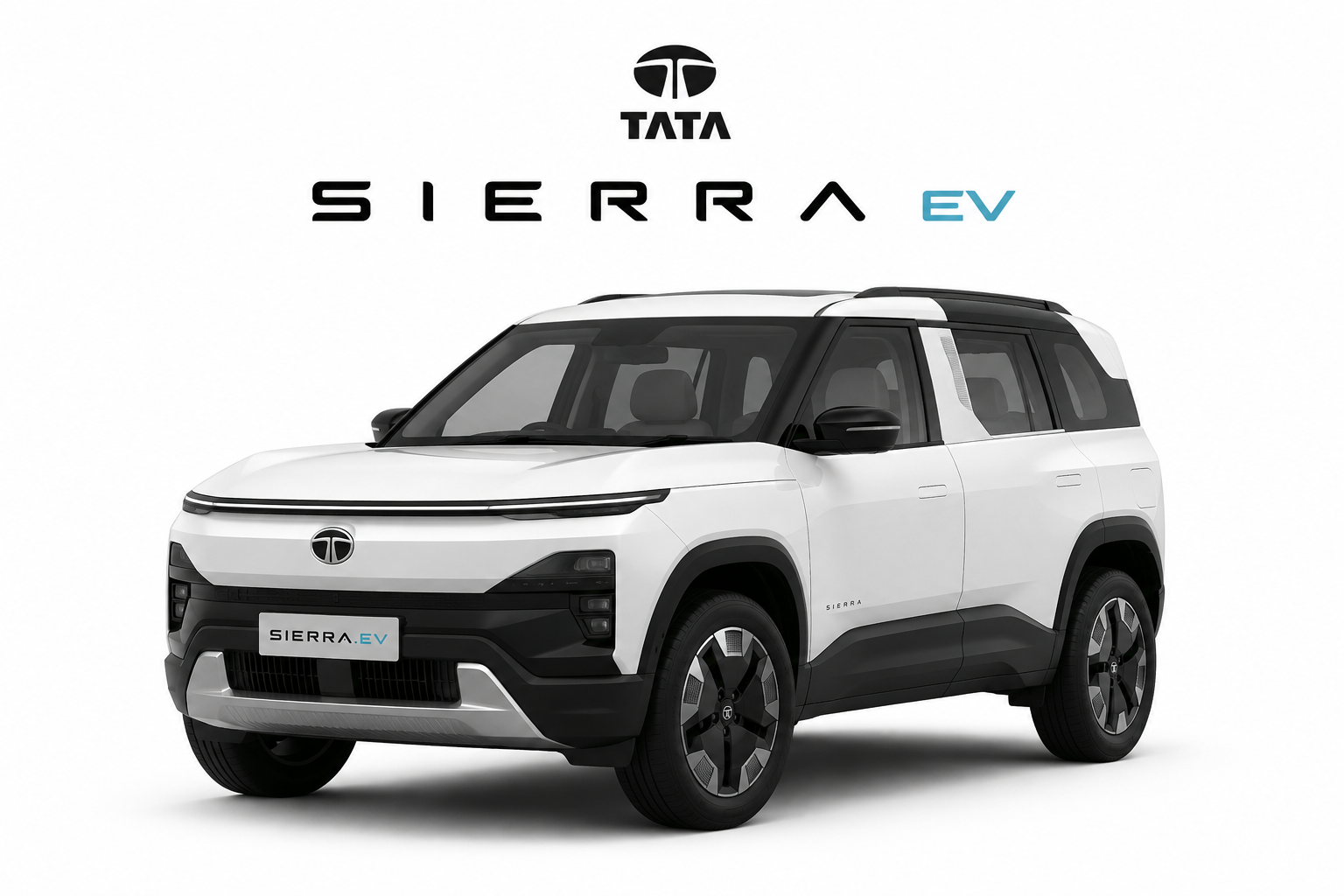
Tata Sierra EV – The Legendary SUV Returns
Few cars in India carry the nostalgia of the Tata Sierra. Now, Tata Motors is bringing this iconic SUV back as an electric vehicle.
Expected Specifications
- Battery options: 55 kWh and 65 kWh
- Platform: Acti.ev EV architecture
- Possible dual-motor AWD
- Premium interior with lounge-style seating
Why the Sierra EV Matters
Tata Motors is already the leader in India’s electric vehicle market. The Sierra EV represents the company’s move toward premium EV SUVs with global appeal.
For many buyers, this car will combine nostalgia with futuristic technology.
Visit here for the detailed review of Tata Sierra
Visit – TATA Sierra On Road Price, Booking Amt, Discounts offer Full Detailed Review
Toyota Urban Cruiser EV / eBella
The trusted Japanese automaker Toyota is preparing its own electric SUV for India.
The upcoming Toyota Urban Cruiser EV is expected to share its platform with the Maruti e Vitara.
Expected Highlights
- Shared EV platform with Maruti
- Similar battery options and driving range
- Toyota’s reputation for reliability
- Strong nationwide service network
Why Buyers Should Watch This Car
Toyota’s entry into India’s EV market will attract customers who prioritize long-term reliability and strong resale value.
Visit here for the detailed review of Toyota Urban Cruiser Ebella
Visit – Toyota Urban Cruiser Ebella On Road Price | Launch Date | More Important Info
MG 4 EV – A Global Electric Hatchback
MG Motor has been aggressively expanding its EV lineup in India.
The upcoming MG 4 EV is expected to bring a sporty, performance-focused electric hatchback to the Indian market.
Key Highlights
- Global award-winning EV platform
- Aerodynamic design
- High-tech digital cabin
- Competitive pricing expected
Why It Could Disrupt the Market
The MG 4 EV has already gained popularity in Europe. If priced well in India, it could become one of the most exciting premium electric hatchbacks in the market.
VinFast Limo Green & VF3 – New Player in the EV Market
Vietnamese automaker VinFast is planning a bold entry into India’s EV market.
VinFast Limo Green
Expected highlights:
- 60.1 kWh battery
- Around 450 km driving range
- 7-seater electric MPV
VinFast VF3
This ultra-compact EV will compete with small city EVs like MG Comet EV.
Unique Strategy
VinFast may introduce a Battery-as-a-Service (BaaS) model. This allows buyers to purchase the car without the battery and pay a monthly battery subscription, reducing the upfront price.
Mercedes-Benz CLA Electric – Luxury Goes Electric
Luxury EV buyers will soon see the arrival of the Mercedes-Benz CLA Electric from Mercedes-Benz.
Key Highlights
- Built on MMA electric architecture
- Ultra-efficient battery technology
- Rapid fast-charging capability
- Premium luxury interior
Why It’s Important
Luxury automakers are moving rapidly toward fully electric lineups, and the CLA Electric represents Mercedes’ next generation of EV technology.
What This EV Boom Means for Indian Car Buyers
The upcoming EV launches in India will transform the market in several ways.
More Choices
Buyers will finally have EV options across all price ranges, from affordable city cars to premium luxury vehicles.
Better Driving Range
New battery technology means ranges above 500 km are becoming common, reducing range anxiety.
Competitive Pricing
As competition increases between brands like Tata, Maruti, MG, Toyota, and VinFast, prices are expected to become more attractive.
The Global Shift Toward Electric Vehicles
In today’s automotive landscape, it’s becoming increasingly clear that most car manufacturers see the future in electric vehicles. Around the world, many companies are gradually reducing their focus on diesel engines and shifting toward petrol, hybrid, and eventually fully electric powertrains. This transition is not happening overnight—it’s a step-by-step evolution toward a fully electrified future.
For many brands, moving from diesel to petrol and hybrid technology is the first stage of this transformation. Hybrid systems help manufacturers and consumers adjust to electrification while still maintaining the practicality and familiarity of traditional engines.
Some companies have already taken bold steps toward an all-electric future. For example, Jaguar has announced a major transformation by discontinuing most of its existing models and focusing entirely on electric vehicles in the coming years. This strategy reflects a growing belief across the industry that EVs will dominate the next generation of mobility.
Gradually, other global automakers are also expanding their EV lineups and investing heavily in electric platforms, battery technology, and charging infrastructure. While petrol and diesel cars will still remain on the roads for many years, the long-term direction of the industry is clearly moving toward electrification.
This means that the next generation of car buyers may experience a world where traditional petrol and diesel vehicles become rare, replaced largely by electric mobility solutions. Many experts believe that EVs represent the future of transportation due to their efficiency, lower emissions, and advancing technology.
What do you think about this global shift toward electric vehicles? Do you believe EVs will completely replace petrol and diesel cars in the future?
Share your thoughts in the comments below. And if you have any questions, feel free to ask—I’ll be happy to reply and continue the discussion.
Final Thoughts: The Electric Future of India
India’s automotive industry is heading toward an electric future faster than ever before. With new models launching across every segment, 2026 could become the biggest year for EV adoption in India.
From the nostalgic Tata Sierra EV to the mass-market Maruti e Vitara, and from tech-focused cars like the MG 4 EV to luxury machines like the Mercedes-Benz CLA Electric, the upcoming EV lineup promises something for every buyer.
For car enthusiasts and everyday drivers alike, the next few years will be incredibly exciting.
At The Car Samaj, we will continue covering all upcoming electric cars in India, along with detailed reviews, comparisons, and buying guides.
Tell Us Your Opinion
Which EV are you most excited about?
- Tata Sierra EV
- Maruti e Vitara
- MG 4 EV
- Toyota Urban Cruiser EV
Let us know in the comments and stay connected with The Car Samaj for the latest updates from the Indian automotive world.
FAQs

Leave a Reply