

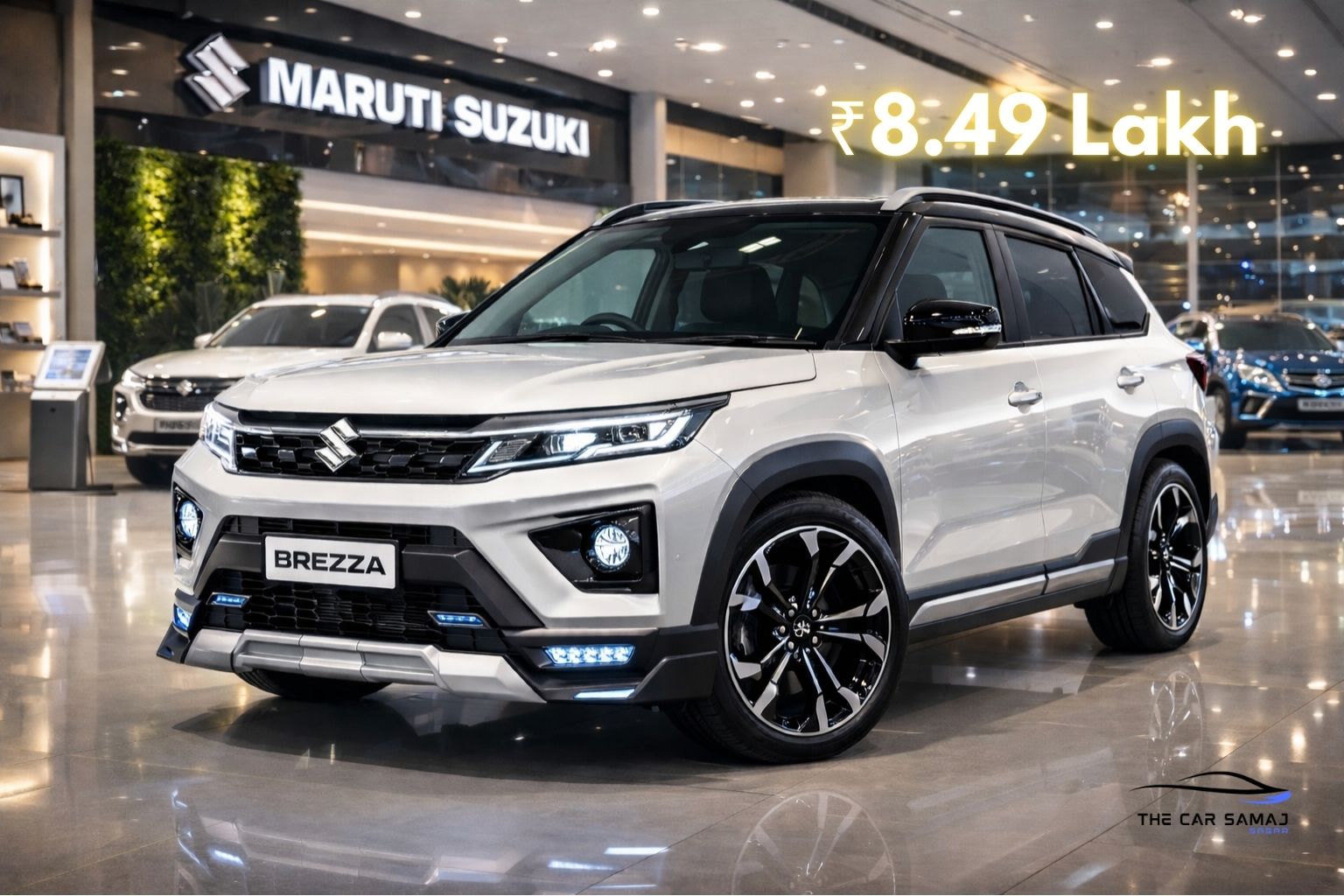
Maruti Still Leads but SUVs Rule: India’s Auto Industry Outlook in 2026
The Indian automobile industry is entering one of its most transformative phases. Changing consumer preferences, aggressive domestic manufacturers, and supportive government policies are collectively reshaping the market landscape.
February 2026 sales data highlights a powerful trend: while volume leaders remain dominant, the real momentum is coming from SUV demand and domestic innovation. The shift toward feature-rich utility vehicles, along with strong year-on-year growth from major Indian brands, indicates that the automotive market is evolving faster than ever.
At Car Samaj, we analyzed the latest sales figures, market movements, and policy signals to understand what they truly mean for the future of the Indian auto industry.
The Volume King: Maruti Suzuki’s Unmatched Market Presence
Even with rising competition, Maruti Suzuki continues to dominate India’s passenger vehicle market.
In February 2026, the automaker recorded around 2.14 lakh domestic sales, reinforcing its position as the country’s highest-selling car manufacturer.
Why Maruti Suzuki Still Leads
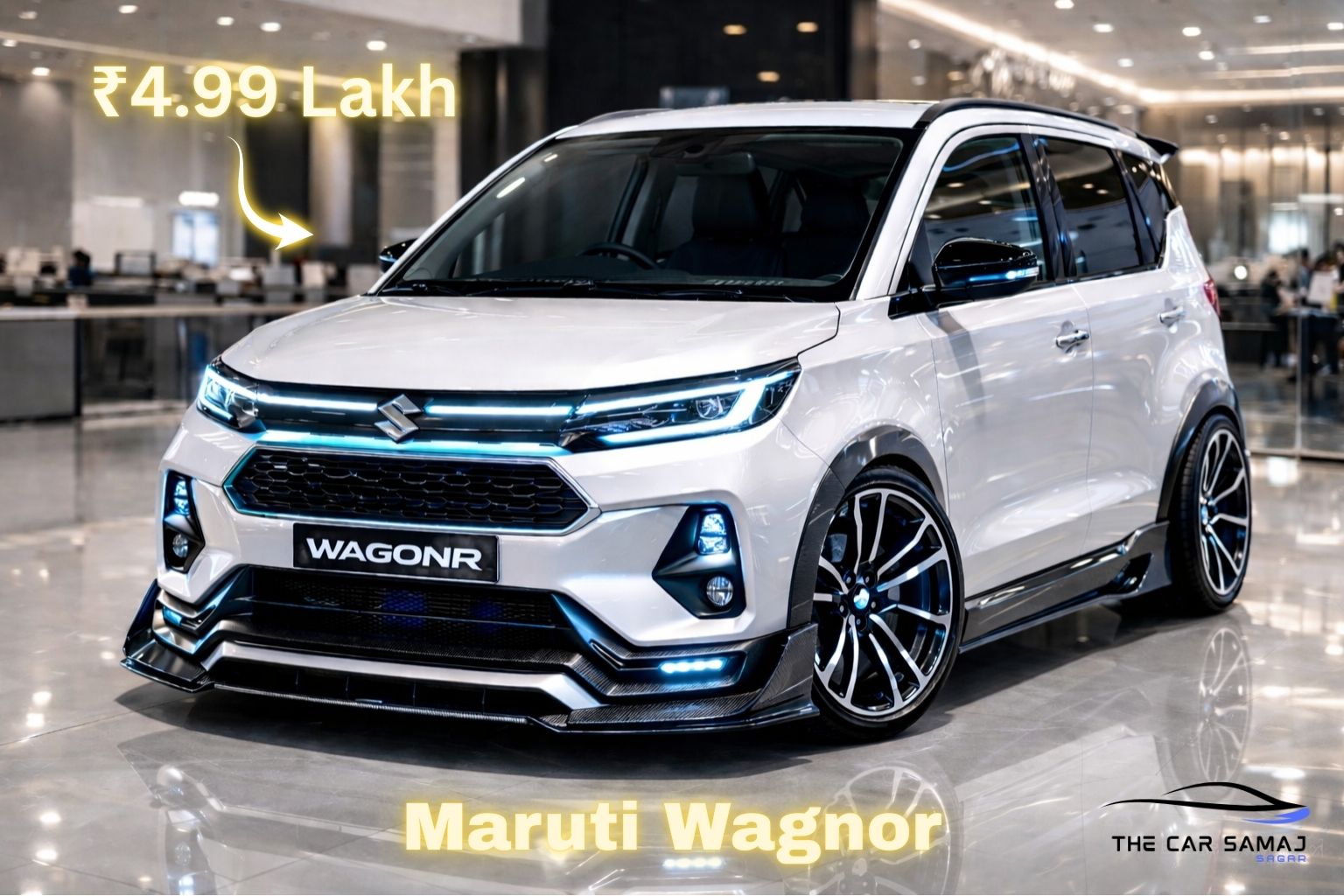
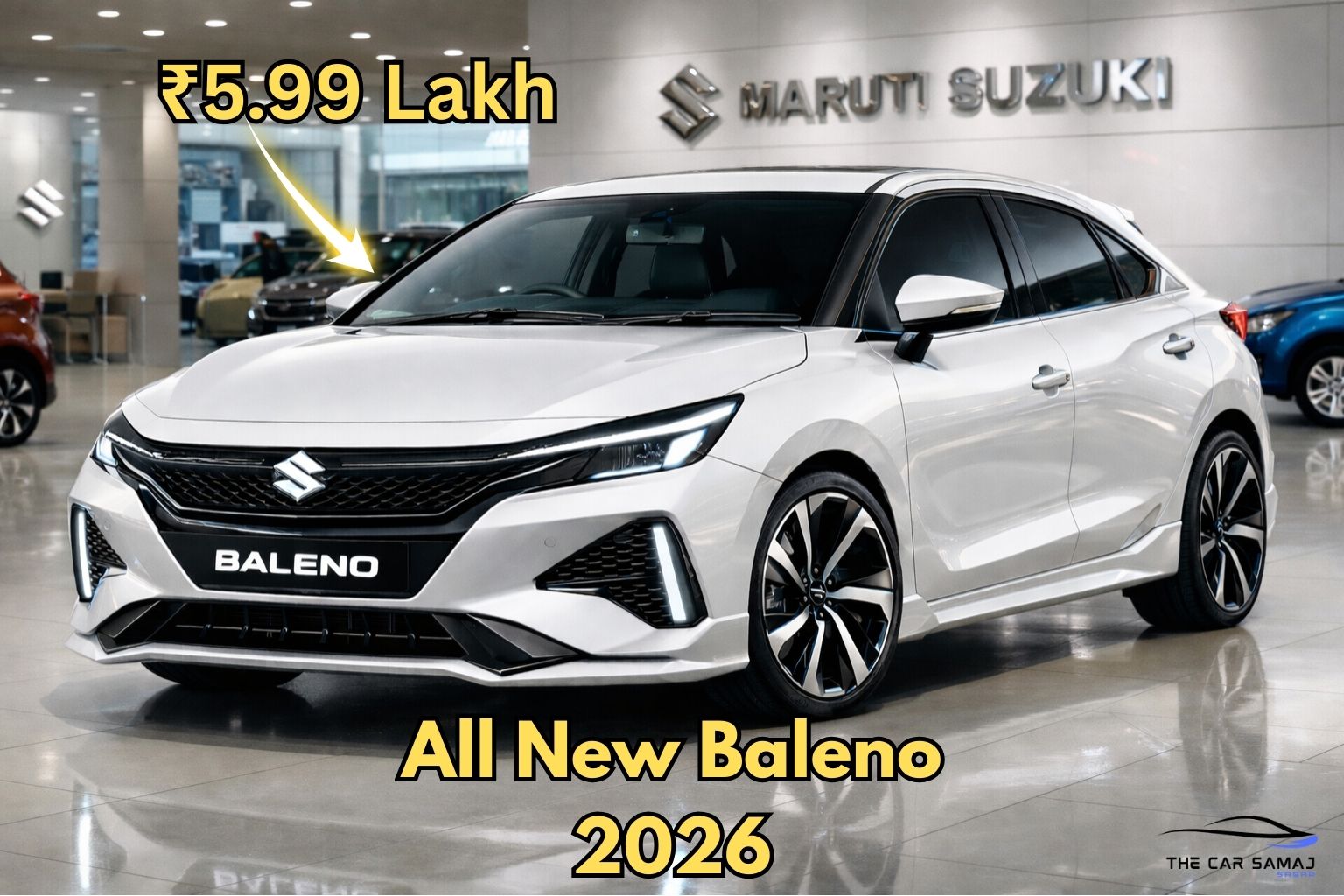
For years, Maruti’s dominance came from affordable hatchbacks such as the Maruti Suzuki Alto and Maruti Suzuki WagonR. However, the company recognized the growing SUV demand early and quickly expanded its utility vehicle lineup.
Key SUV models driving this success include:
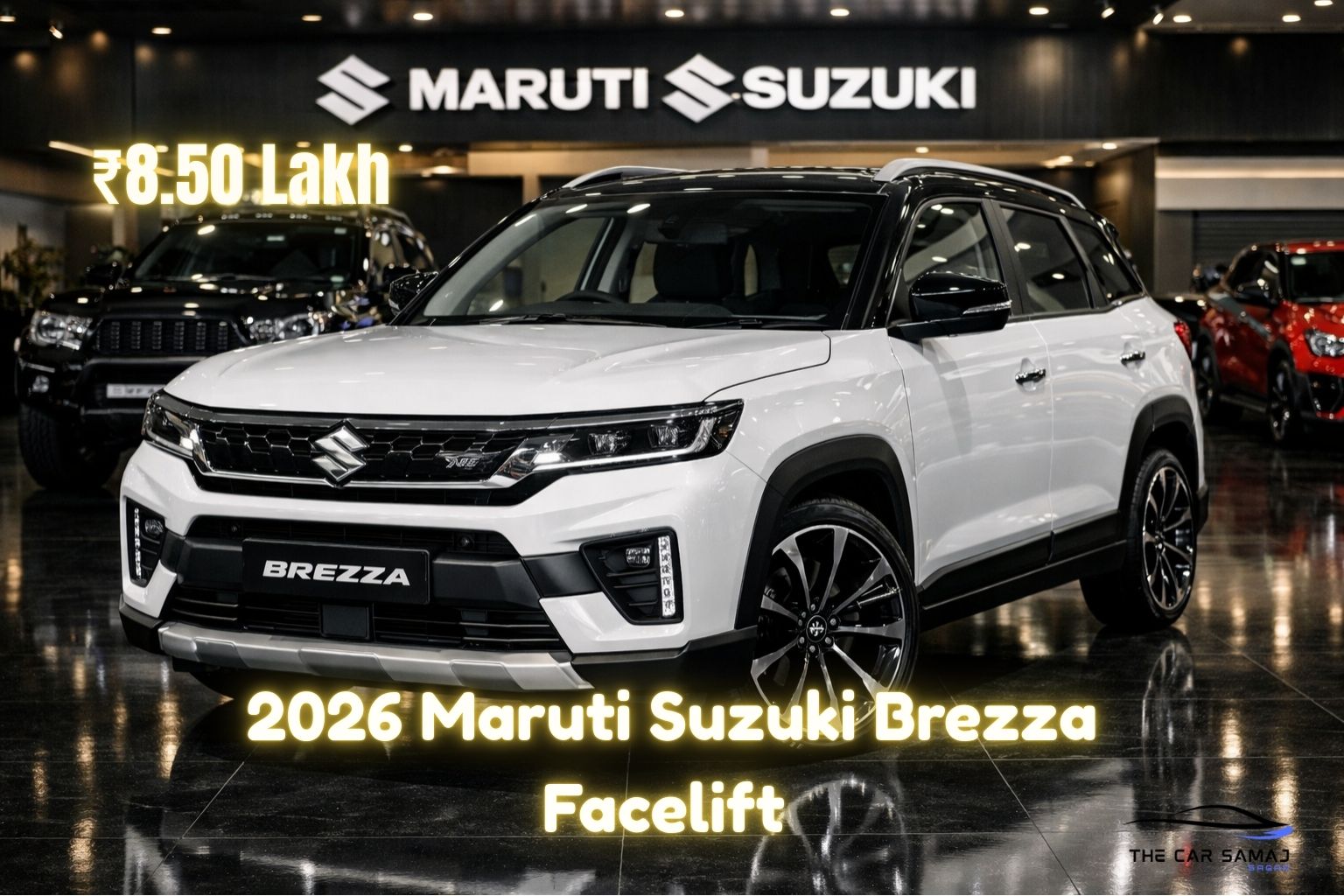
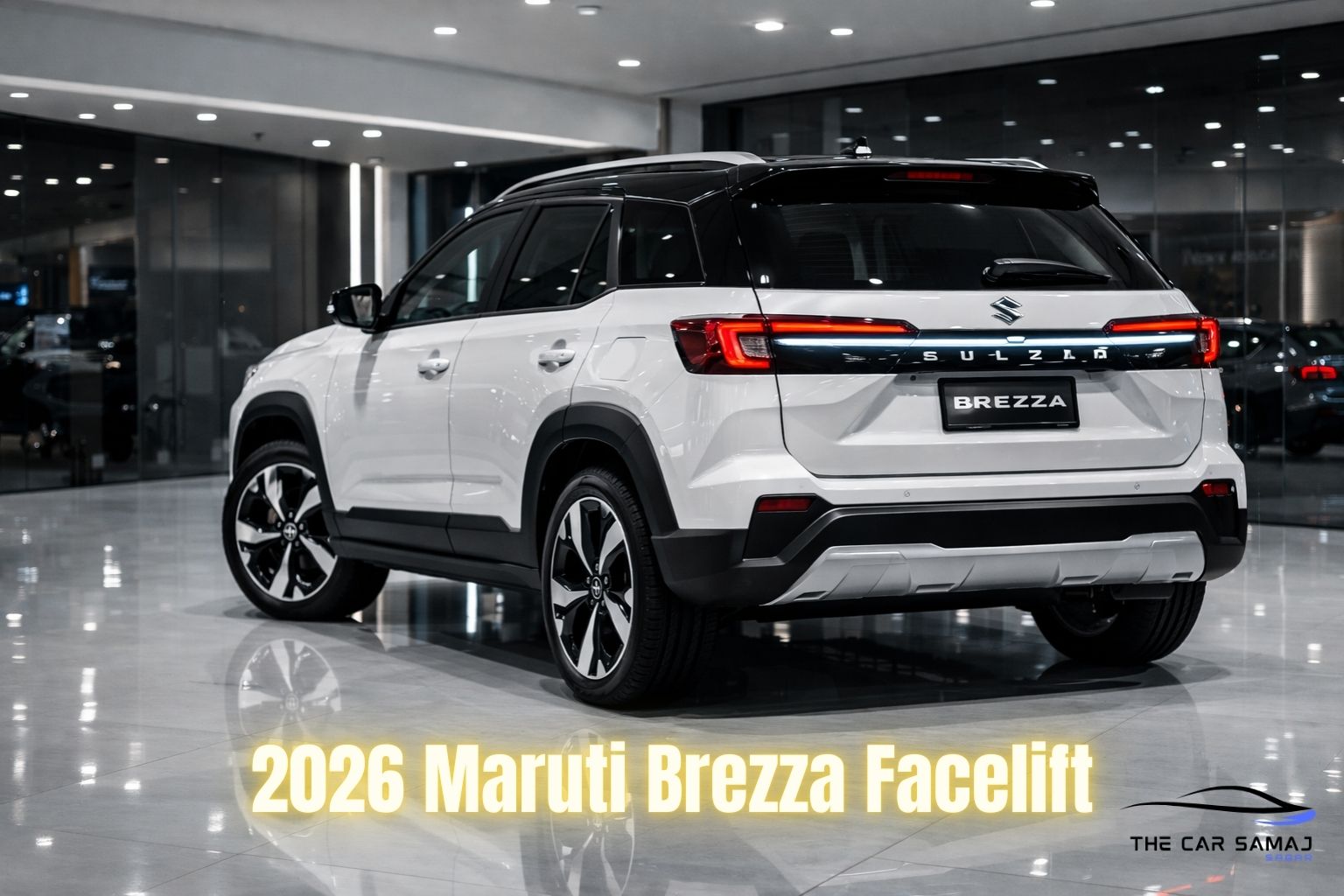
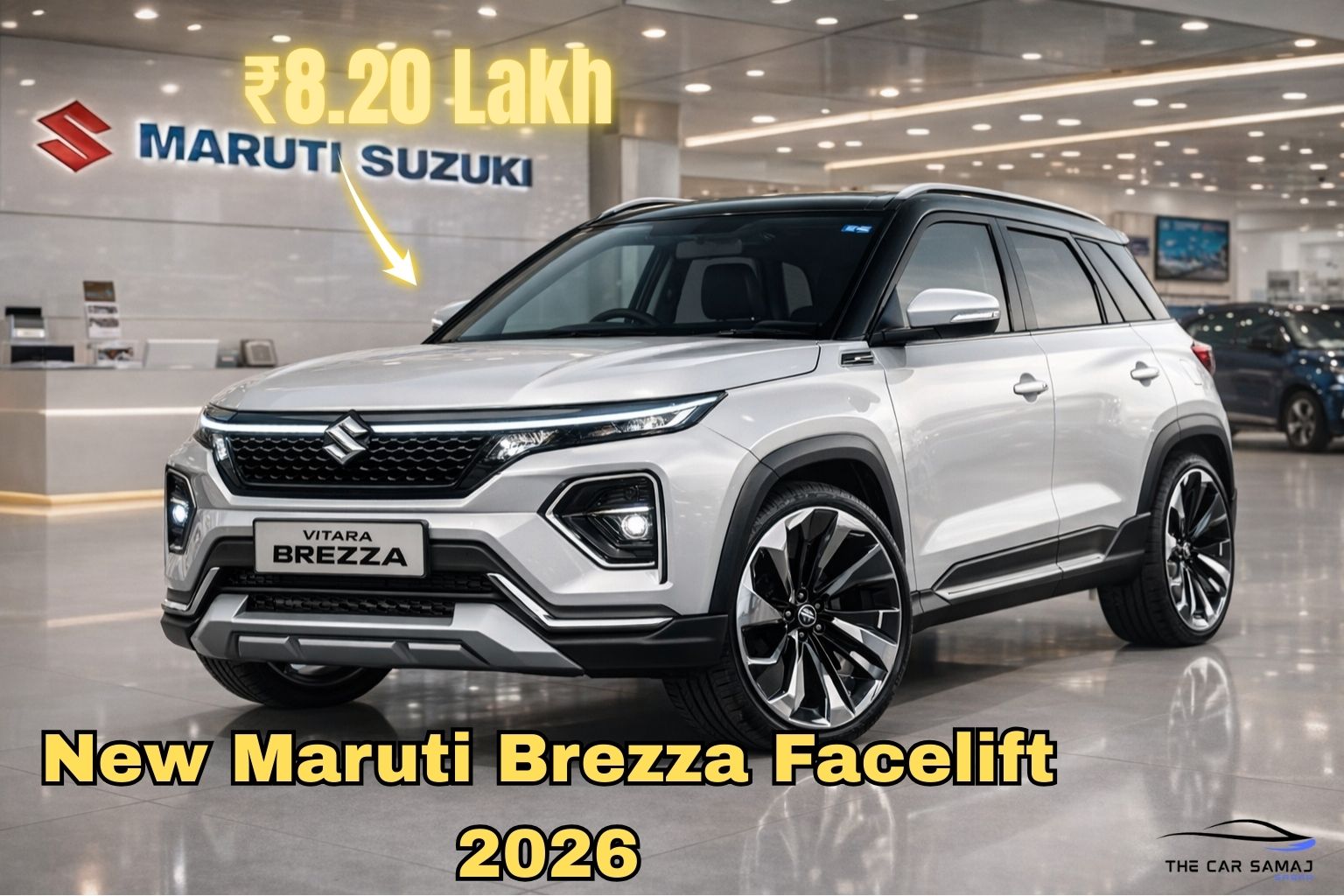
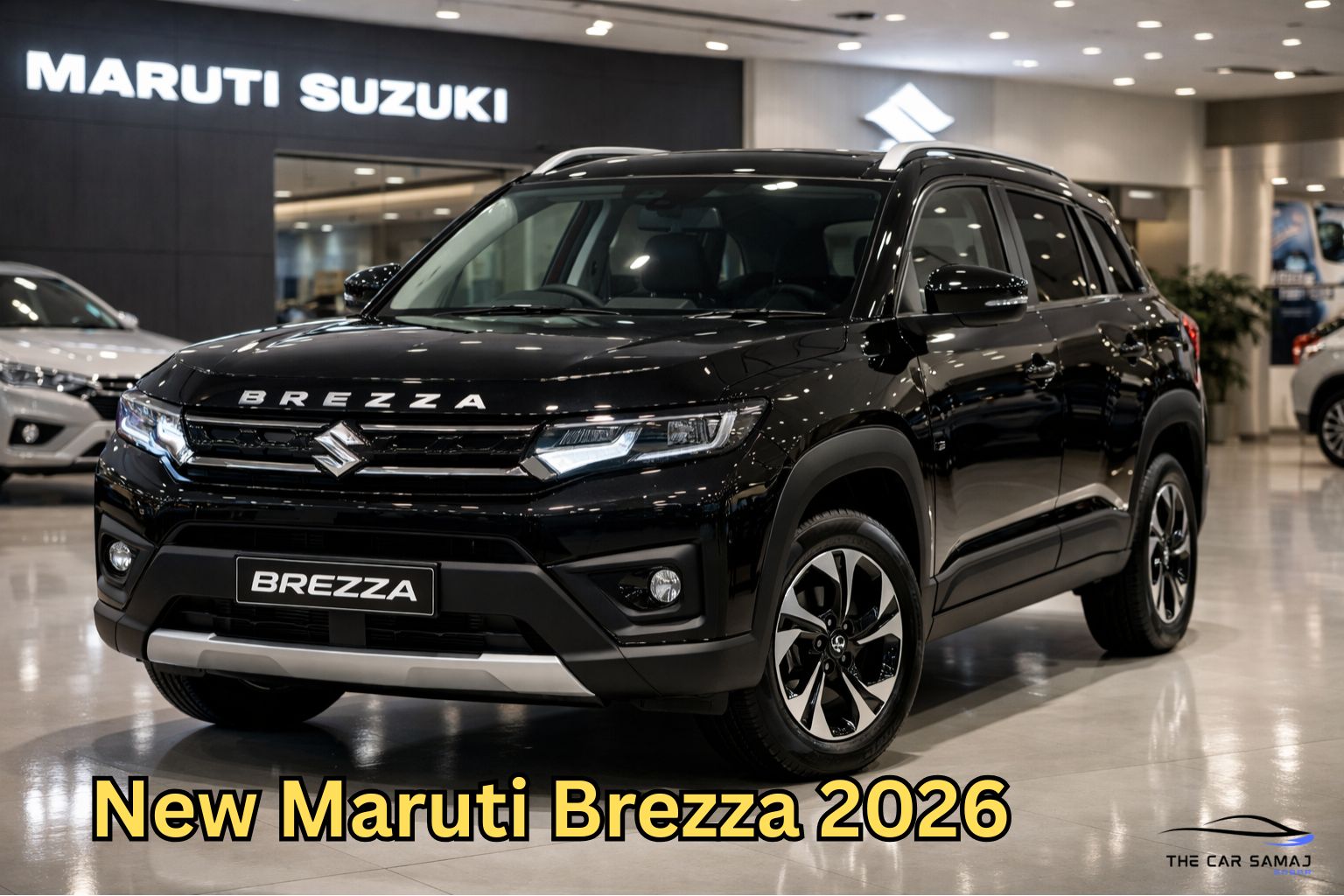
- Maruti Suzuki Brezza
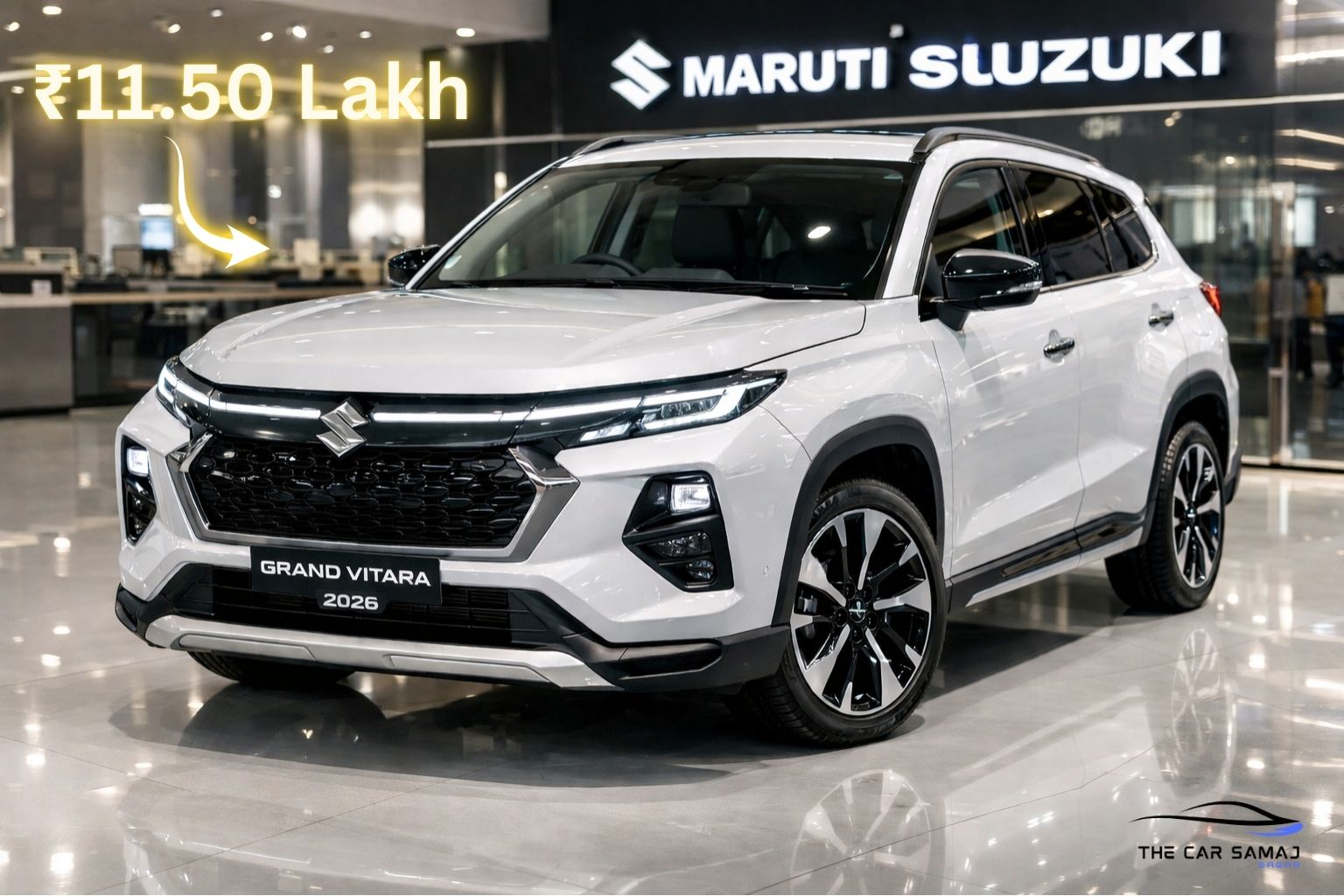
- Maruti Suzuki Grand Vitara
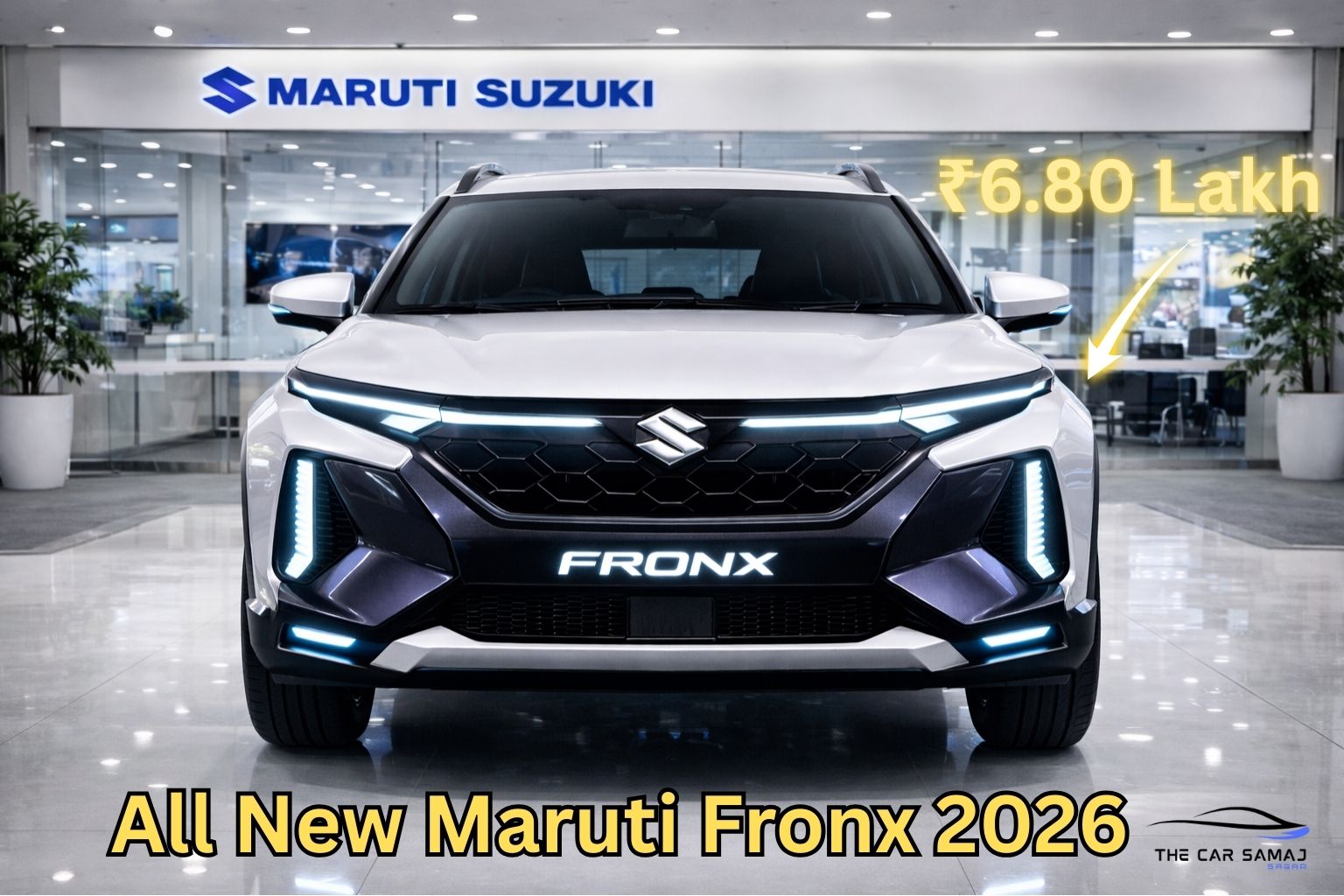
- Maruti Suzuki Fronx
These vehicles help Maruti capture buyers across different price segments—from entry-level SUV buyers to premium hybrid customers.
The Strategic Advantage
Maruti Suzuki’s biggest strength is its mass-market ecosystem, which includes:
- India’s largest dealership network
- Low maintenance costs
- Strong resale value
- High fuel efficiency
This combination allows the brand to maintain dominance even as consumer preferences evolve.
Car Samaj Insight:
Maruti’s strategy shows that the future of dominance in India is not about one segment. It is about offering mobility solutions across every price bracket.
If U Know in Detailed About ADAS & Car Safety in 2026
Visit – ADAS & Car Safety in 2026: How Smart Technology is Making Cars Safer — But Also More Complex
Tata Motors and Mahindra: India’s Fastest Growing Automakers
While Maruti leads in volume, the fastest growth momentum in the Indian market belongs to domestic powerhouses Tata Motors and Mahindra & Mahindra.
Both brands recorded impressive growth in February 2026.
| Automaker | Feb 2026 YoY Growth | Key Drivers |
|---|---|---|
| Tata Motors | ~34% | Safety reputation, strong SUV lineup, EV leadership |
| Mahindra | ~19% | Premium SUV demand and strong brand loyalty |
Tata Motors: The Safety-First Strategy
Tata has built a powerful brand identity around vehicle safety and strong design language.
Popular models fueling this growth include:
- Tata Nexon
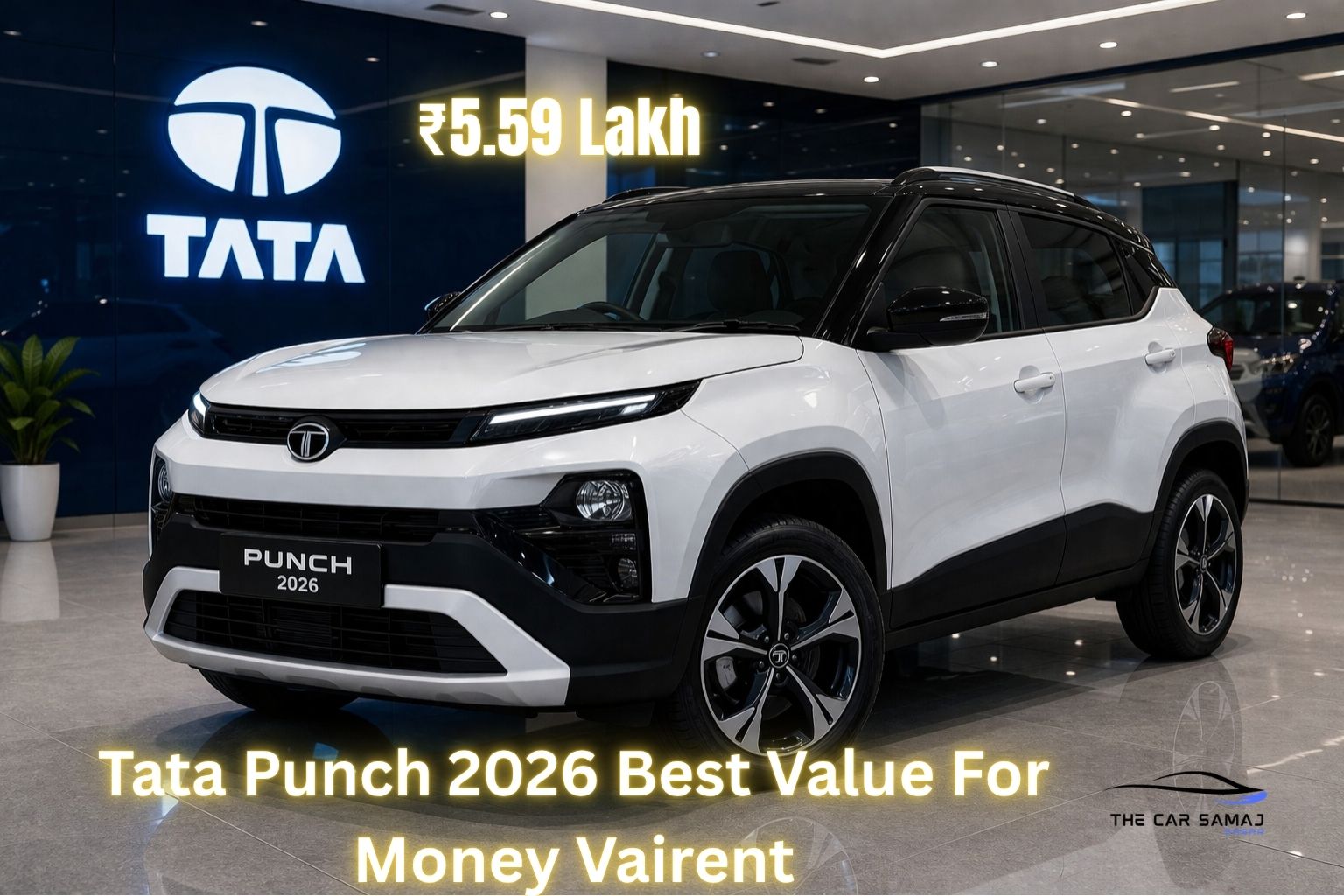
- Tata Punch
Additionally, Tata has established itself as a leader in the electric vehicle segment with models like the Tata Nexon EV, giving the company a technological advantage in the future mobility race.
Mahindra: The Authentic SUV Specialist
Mahindra has positioned itself as the true SUV brand of India.
Key models driving demand include:
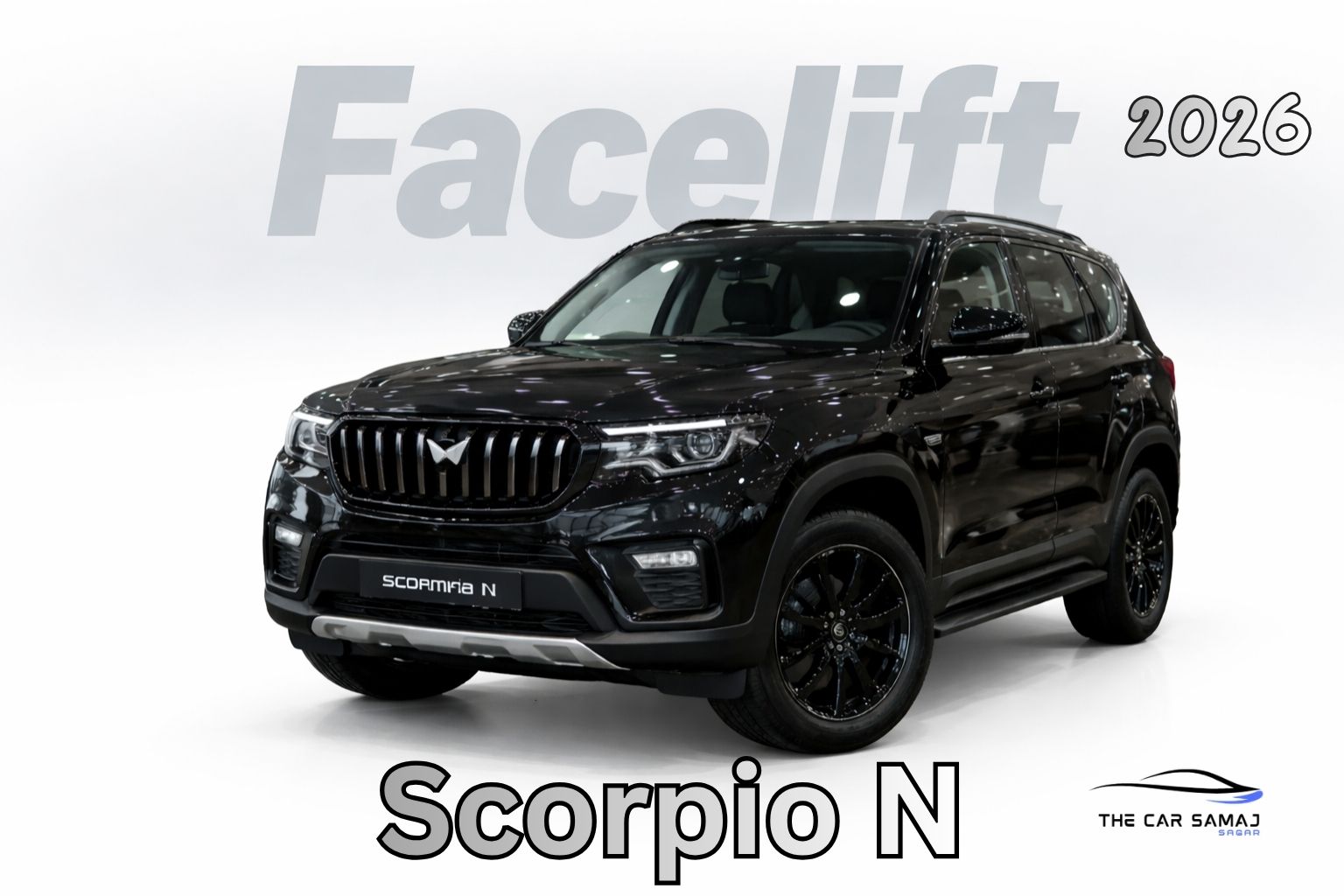
- Mahindra Scorpio-N
- Mahindra XUV700
- Mahindra Thar
Mahindra’s formula is simple yet powerful: rugged capability combined with modern technology.
Car Samaj Insight:
Tata and Mahindra prove that Indian brands can compete not just on price, but on aspiration and premium appeal.
If U Know in Detailed About Upcoming Electric Cars in India 2026
Visit – India’s EV Revolution: Upcoming Electric Cars in India 2026 | The End of Petrol Cars?
The SUV Revolution: Why India Loves Utility Vehicles
One trend dominates the 2026 Indian car market: SUVs are everywhere.
From compact urban SUVs to large off-road machines, buyers across India are increasingly choosing SUVs over traditional hatchbacks or sedans.
Reasons Behind India’s SUV Boom
1. Higher Driving Position
SUVs offer a commanding road view, which increases driver confidence in busy urban traffic.
2. Practical Ground Clearance
Indian roads often include potholes, speed breakers, and rough terrain. SUVs provide better clearance and durability for these conditions.
3. Premium Features
Modern SUVs now offer luxury features such as:
- Panoramic sunroofs
- Level-2 ADAS safety technology
- Ventilated seats
- 360-degree cameras
- Large infotainment displays
These features were once available only in luxury vehicles.
4. Aspirational Lifestyle Appeal
SUVs represent status, adventure, and versatility, which strongly appeals to younger buyers.
Car Samaj Insight:
The SUV boom is not just about practicality—it is about aspiration and lifestyle branding.
Policy and Economic Factors Supporting Industry Growth
Beyond consumer demand, several macroeconomic factors are also fueling automotive expansion.
Possible GST Rationalization
The government has been discussing tax adjustments for hybrid and green technologies, which could reduce the overall cost of vehicles.
If implemented widely, this move could:
- Make hybrid vehicles more affordable
- Accelerate EV adoption
- Encourage technological innovation among manufacturers
Improved Auto Financing
Indian banks and financial institutions are simplifying loan approval processes and offering competitive interest rates.
This has made car ownership more accessible for:
- First-time buyers
- Middle-class families upgrading vehicles
- Young professionals purchasing SUVs
Industry Growth Forecast: What to Expect in 2026
Market analysts predict the Indian automobile industry could grow by around 7% in 2026.
Key drivers include:
- Expanding middle-class income
- Strong SUV demand
- EV adoption momentum
- Improved financing options
- Infrastructure development
India is also emerging as a global automotive manufacturing hub, attracting investments from both domestic and international automakers.
If U Know in Detailed About New Cars Under ₹10 Lakh Coming in 2026
Visit – New Cars Under ₹10 Lakh Coming in 2026 – Tata, Maruti & VW Budget Launches
The Car Samaj Verdict
The Indian automotive industry in 2026 reflects a powerful mix of tradition, innovation, and changing consumer aspirations.
- Maruti Suzuki remains the volume champion.
- Tata Motors leads in safety and EV innovation.
- Mahindra dominates the authentic SUV segment.
- SUVs continue to redefine buyer preferences.
But the most important insight is this:
India’s car buyers are evolving faster than the industry expected.
Today’s buyers want vehicles that offer technology, safety, design, and status—not just affordability.
For automakers, the message is clear:
The brands that combine innovation with strong brand identity will dominate the next decade of India’s automotive revolution.
FAQs

Leave a Reply