

Stop! Read This Before Buying the 2026 Tata Punch (Turbo, EV, or CNG?)
In a market as competitive as India’s compact SUV segment, very few cars manage to stay consistently relevant while also evolving with changing buyer expectations. The tata punch 2026 is one such product. What started as a practical, safety-focused micro-SUV has now transformed into a multi-powertrain offering that caters to a wide spectrum of buyers—from budget-conscious city drivers to tech-savvy EV adopters.
However, with this evolution comes complexity.
The 2026 update introduces three fundamentally different ownership experiences: a turbo-petrol variant for performance seekers, an electric version with an unconventional Battery-as-a-Service model, and a CNG variant that now offers automatic convenience. While this variety is impressive, it also makes the buying decision significantly more complicated.
This article is designed to eliminate that confusion. Instead of simply listing features or specifications, it focuses on real-world usability, ownership costs, and long-term value. By the end, you will not only understand the tata punch price 2026 and its variants, but also know exactly which version aligns with your driving habits and financial priorities.
Prefer reading in Hindi? Read this article in Hindi here:
Tata Punch 2026: Turbo, EV या CNG? जानें कीमत के साथ सबसे वैल्यू फॉर मनी वेरिएंट
Understanding the Evolution: What Has Actually Changed in the Tata Punch 2026
The earlier versions of the Punch built their reputation on two strong pillars—robust build quality and excellent safety ratings. However, despite its strengths, it had a clear limitation that buyers often pointed out: a lack of power, especially when driving on highways or carrying a full load.
Tata Motors has addressed this concern decisively in the 2026 update by introducing a turbocharged petrol engine. This addition significantly changes the driving dynamics of the car. With approximately 120 PS of power and 170 Nm of torque, the Punch now feels far more confident at higher speeds and during overtaking maneuvers. This is not a minor upgrade; it fundamentally shifts the vehicle’s positioning from a city-focused micro-SUV to a more versatile, all-rounder option.
Alongside the mechanical improvements, the interior experience has also been elevated. The addition of a large 10.25-inch touchscreen infotainment system and a fully digital instrument cluster gives the cabin a modern, tech-forward feel. Features such as ventilated seats and a 360-degree camera further enhance everyday usability, particularly in urban conditions where comfort and visibility play a crucial role.
Taken together, these upgrades indicate that Tata is no longer treating the Punch as an entry-level product but as a serious contender in the premium compact segment.
For Dive in Deep in detailed revied
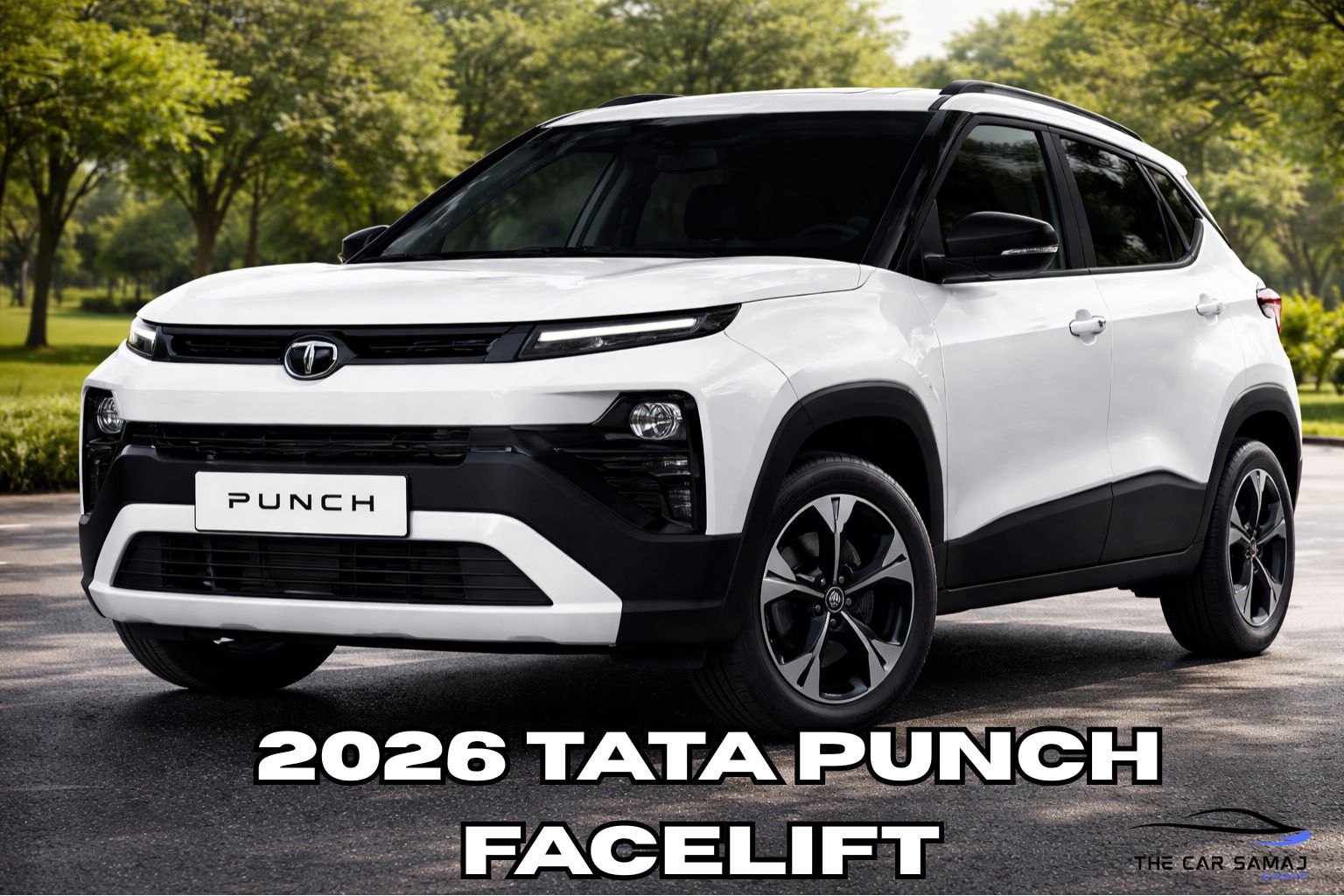
Visit here – 2026 Tata Punch Facelift ₹6.00 Lakh, Features, Engine & Safety | Full Honest Review
Tata Punch Price 2026: Why the Starting Price Can Be Misleading
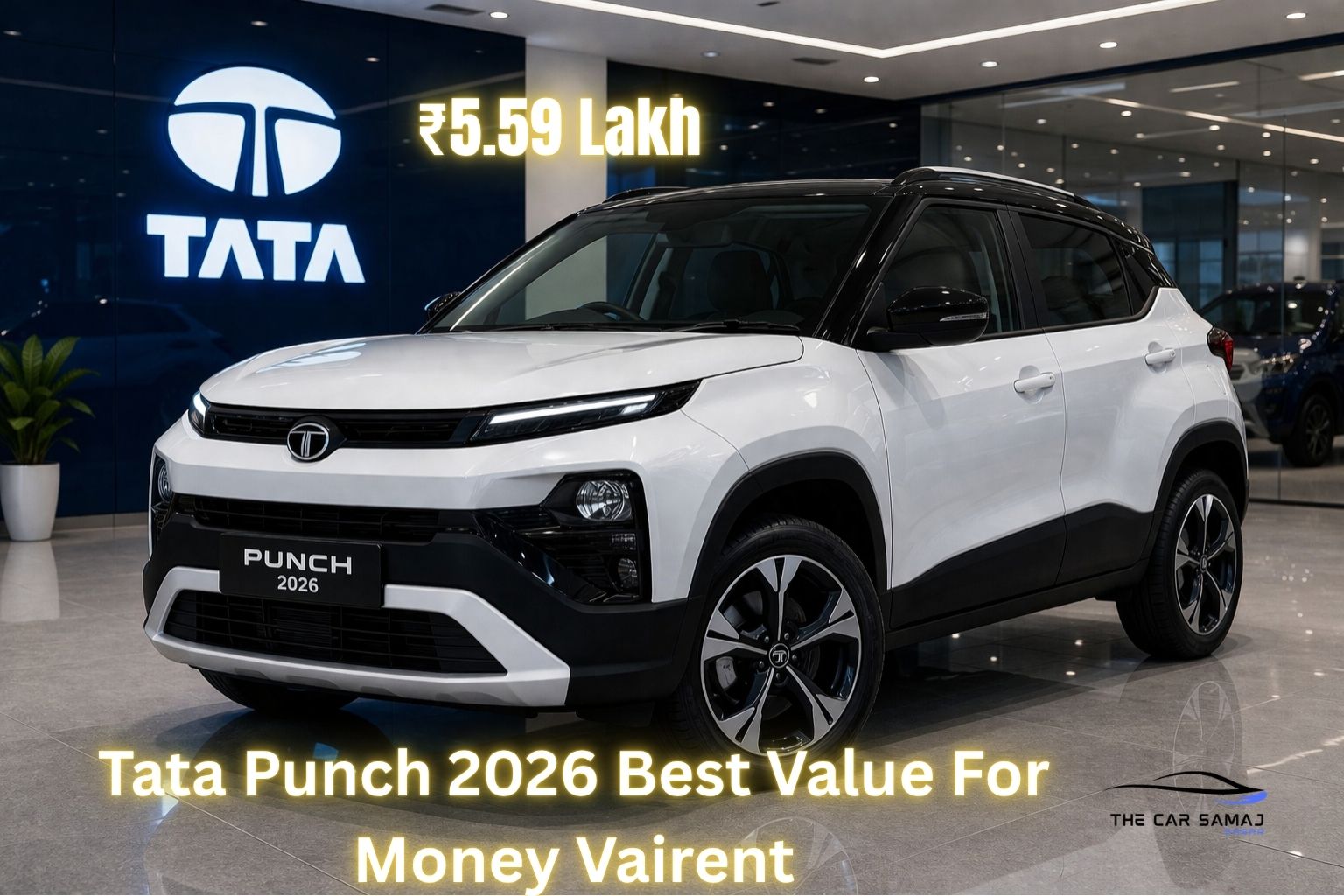
At first glance, the tata punch price 2026 appears highly attractive, with a starting figure of approximately ₹5.59 lakh (ex-showroom). This pricing strategy is clearly designed to capture attention and position the car as an affordable entry point into the SUV category.
However, a deeper look reveals a more nuanced picture.
As you move up the variant ladder to access essential features and modern conveniences, the price increases significantly. Well-equipped versions, particularly those with advanced features and powertrain options, can push the on-road cost beyond ₹10–11 lakh. For many buyers, this is a substantial investment and places the Punch in competition with larger and more powerful vehicles.
This makes it critical to look beyond the base price and evaluate the value offered by each variant. The base model, while affordable, lacks several features that are considered essential in today’s driving environment. In contrast, mid-level variants strike a much better balance between cost and usability, offering features that genuinely enhance the ownership experience.
In practical terms, the “real price” of the Punch is not its starting figure but the price of the variant that meets your daily needs without compromise.
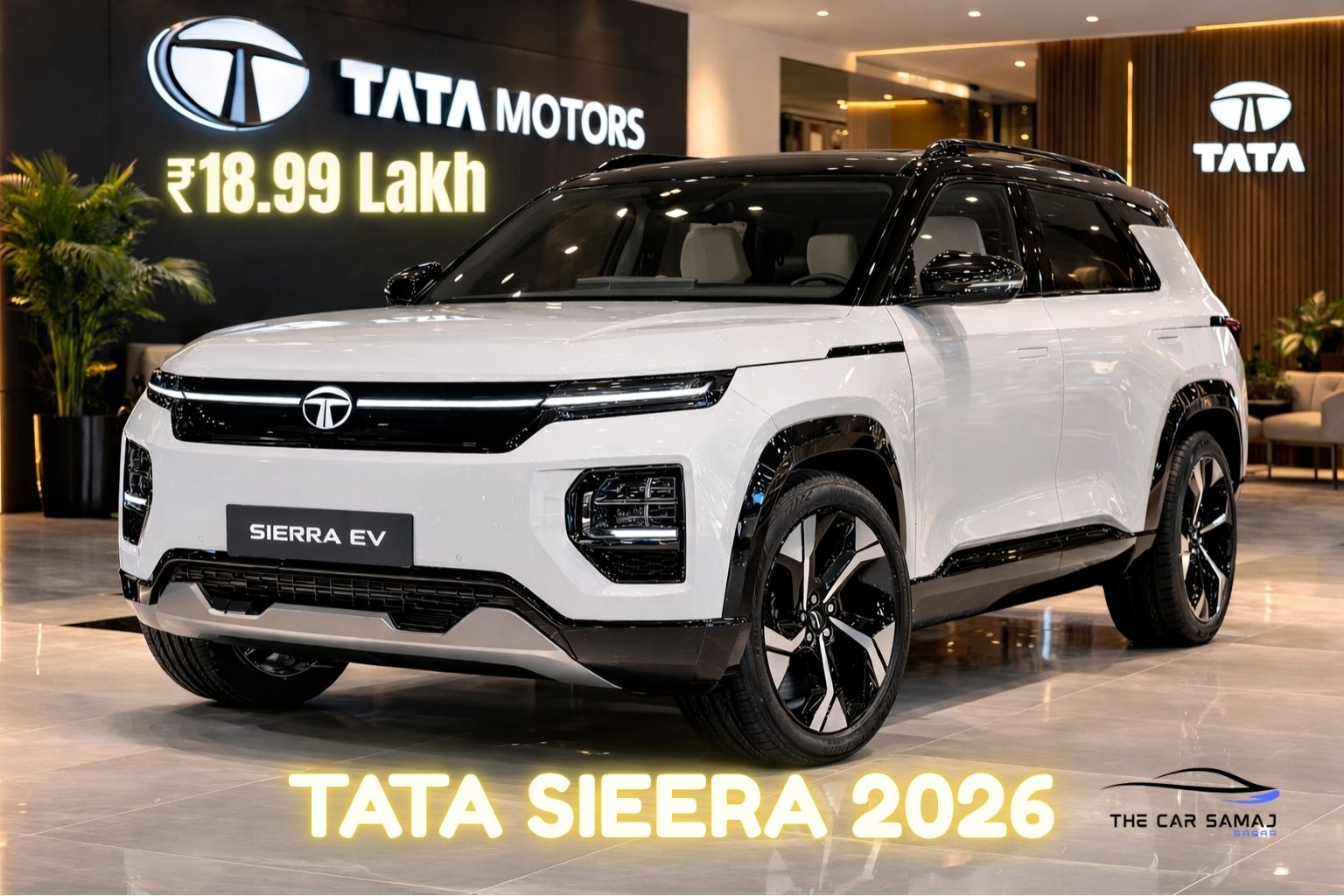
Check out this one – TATA Sierra 2026 के Glass Architecture Sierra का real USP है और माइलेज लगभग 29.9 km/l का है
Tata Punch 2026 Price Chart (Petrol, CNG, EV).
Overall price range:
- Petrol: ₹5.59L – ₹10.5L
- CNG: ₹6.7L – ₹10.5L
- EV: ₹9.69L – ₹12.5L
Tata Punch Petrol Variants & Price (2026)
| Variant | Transmission | Price (Ex-showroom) |
|---|---|---|
| Smart | Manual | ₹5.59 Lakh |
| Pure / Pure+ | Manual/AMT | ₹6.5 – ₹7.5 Lakh |
| Adventure | Manual/AMT | ₹7.6 – ₹8.3 Lakh |
| Creative / Accomplished | Manual/AMT | ₹8.5 – ₹10.5 Lakh |
| Turbo Variant | Manual | ~₹9 – ₹10.5 Lakh |
Petrol engine options:
- 1.2L NA (city use)
- 1.2L Turbo (highway performance)
Tata Punch CNG Variants & Price
| Variant | Transmission | Price (Ex-showroom) |
|---|---|---|
| Smart CNG | Manual | ₹6.7 Lakh |
| Pure / Pure+ CNG | Manual | ₹7.5 – ₹8 Lakh |
| Adventure CNG | Manual | ₹8.6 Lakh |
| Accomplished CNG | Manual/AMT | ₹9 – ₹10.5 Lakh |
Key highlights:
- Twin-cylinder tech
- AMT available (NEW)
- Mileage: ~20–26 km/kg
Tata Punch EV Variants & Price
| Variant | Battery | Price (Ex-showroom) |
|---|---|---|
| Smart | 25–30 kWh | ₹9.69 Lakh |
| Adventure | Mid variant | ₹11 – ₹12 Lakh |
| Empowered / Top | 40 kWh | ₹12.5+ Lakh |
With BaaS:
- Starting: ₹6.49 Lakh
- Battery rent: ₹2.6/km
Simple Buyer Comparison (Most Important Section)
| Type | Best For | Problem |
|---|---|---|
| Petrol | Budget + normal use | Less power (NA engine) |
| Turbo Petrol | Highway + performance | Higher price |
| CNG | Low running cost | Slight power drop |
| EV | Future + daily commute | Charging dependency |
Tata Punch EV: Innovation Meets Complexity
The tata punch ev represents Tata Motors’ push into making electric mobility more accessible. On paper, it appears to be one of the most affordable electric vehicles in India, but this affordability is tied to a unique ownership model that requires careful consideration.
The Battery-as-a-Service (BaaS) model allows buyers to purchase the car at a lower upfront cost while paying a per-kilometer fee for battery usage. This approach reduces the initial financial burden, making EV ownership more approachable for first-time buyers. However, it also introduces a recurring cost that can significantly impact long-term savings.
For buyers with limited daily driving requirements, typically under 30 kilometers per day, the BaaS model can be a practical choice. It keeps the initial investment low and aligns well with light usage patterns. On the other hand, for those who drive longer distances regularly, the cumulative cost of battery rental can quickly surpass the benefits of lower charging costs.
In such cases, purchasing the EV with the battery included—despite the higher upfront price—proves to be the more economical option over time.
Another important aspect to consider is real-world range. While the claimed figures may seem impressive, actual performance in Indian conditions typically ranges between 320 to 350 kilometers in city driving with air conditioning. This is sufficient for most urban users but requires planning for longer trips.
The Punch EV, therefore, is not just a car but a lifestyle shift, and its suitability depends heavily on individual usage patterns and access to charging infrastructure.
Tata Punch CNG: Practicality Redefined for Indian Conditions
For a large segment of Indian buyers, running cost remains one of the most decisive factors in car ownership. The Tata Punch CNG addresses this priority while also solving some of the long-standing limitations associated with CNG vehicles.
Traditionally, CNG cars have required buyers to compromise on both convenience and practicality. Manual transmissions can be tiring in heavy traffic, and the placement of large gas cylinders often eliminates usable boot space. Tata has tackled both of these issues effectively in the 2026 Punch.
The introduction of a 5-speed AMT gearbox in the CNG variant is a significant advancement. It allows drivers to enjoy the cost benefits of CNG without sacrificing the ease of automatic driving. This is particularly valuable in urban environments where stop-and-go traffic is a daily reality.
Equally noteworthy is the twin-cylinder technology, which optimizes the placement of CNG tanks to retain usable boot space. While not as spacious as a petrol-only configuration, it is practical enough for everyday needs and short trips.
In terms of efficiency, real-world mileage figures are more modest than official claims but still highly economical. This makes the CNG variant an excellent choice for buyers who prioritize low running costs and primarily drive within the city.
Making the Right Choice: Matching the Car to Your Lifestyle
One of the most important takeaways from the 2026 update is that there is no single “best” version of the Punch. Instead, each variant is tailored to a specific type of user.
If your driving involves frequent highway trips or hilly terrain, the turbo-petrol variant offers the performance and confidence you need. For those who are ready to embrace electric mobility and have access to reliable charging infrastructure, the EV provides a forward-looking and potentially cost-effective solution. Meanwhile, the CNG variant stands out as the most practical option for city-focused users seeking to minimize fuel expenses without compromising on convenience.
The key is to align your choice with your actual usage rather than being influenced solely by price or features.
For very detailed review of tata sierra 2026
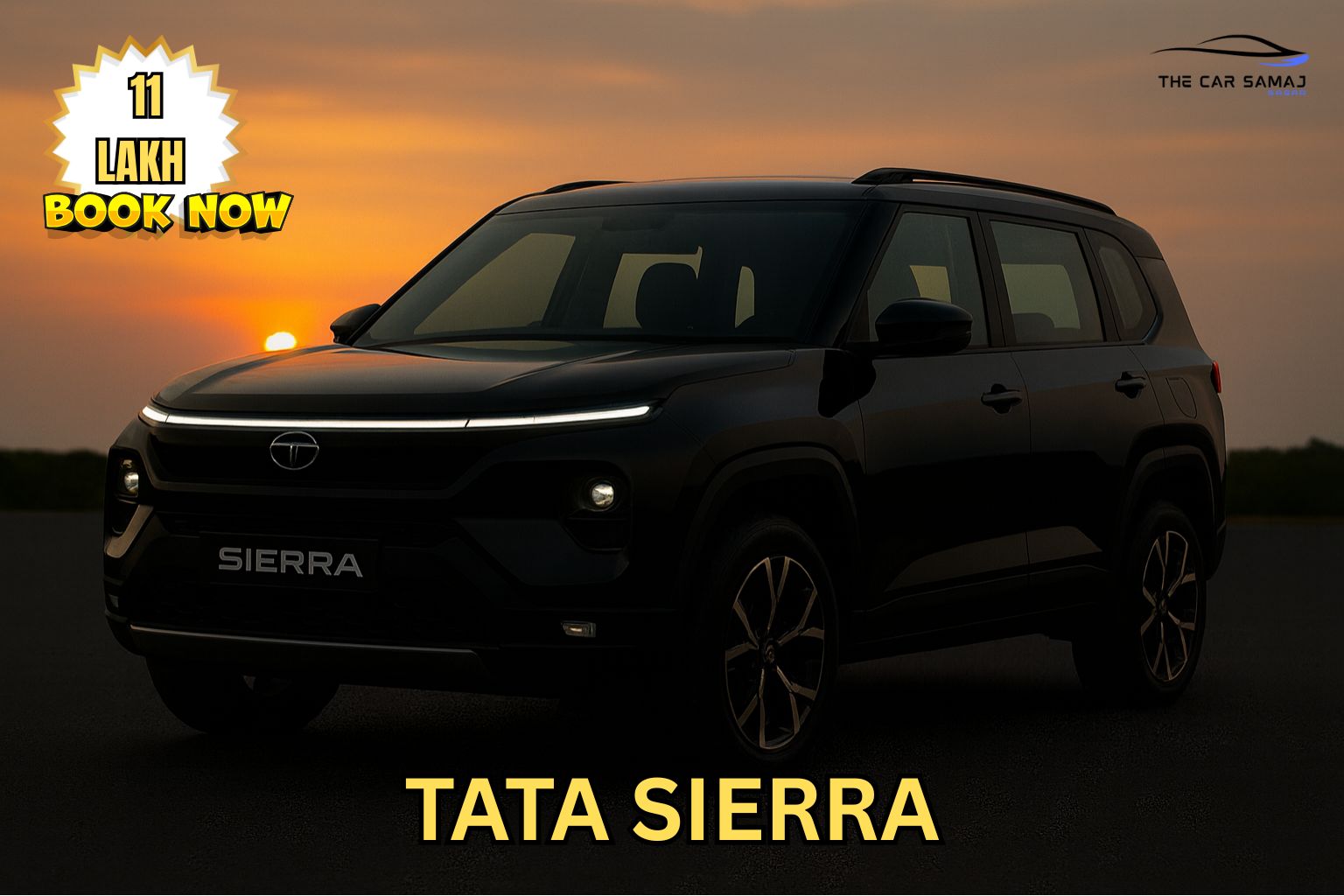
Visit – TATA Sierra On Road Price, Booking Amt, Discounts offer Full Detailed Review
Best Value for Money Variant: Clear Buyer Comparison
If you are planning to book the tata punch 2026, the most important step is identifying which variant actually delivers the best value for your money. With multiple engine options—including petrol, CNG, turbo petrol, and EV—along with manual and automatic transmissions, the lineup can feel confusing for most buyers.
To simplify this decision, let us break it down based on real-world usability and feature value rather than just specifications.
Petrol + CNG (Manual & AMT): Best Value Variant
Starting with the standard petrol variants, including both manual and automatic transmissions, along with the CNG manual lineup, the most value-for-money option is the Pure+ S variant. This variant offers an excellent balance of price and essential features, making it ideal for the majority of buyers.
It includes almost everything required for daily driving comfort and convenience, such as:
- Keyless entry
- LED headlamps
- Digital instrument cluster
- Rear AC vents
- Central armrest with storage
- 8-inch touchscreen infotainment system (Harman)
- 4 speakers
- Rear defogger
- 65W Type-C fast charging (front) + 15W rear charger
- Power windows on all doors
- Smart digital steering wheel
- Cruise control
- Rear parking camera
- Electrically adjustable ORVMs
- Rain-sensing wipers
- Automatic headlamps
- Voice assistant
With this feature list, the variant feels complete for most users. The only noticeable missing elements are:
- Rear washer
- Rear wiper
Despite that, it remains the best balanced choice in terms of pricing and features.
CNG AMT Buyers: Best Value Variant
For buyers specifically looking at the CNG automatic option, the Adventure+ S variant becomes the better value pick. It builds upon the Pure+ S and adds several premium and convenience-focused features that enhance everyday usability.
Additional features include:
- 360-degree camera
- Blind view monitor
- Automatic climate control
- Push start/stop button
- Auto-folding ORVMs
- Rear washer and rear wiper
- Roof rails
This variant is particularly suitable for city users who want maximum fuel savings with automatic convenience.
Turbo Petrol (Manual Only): Best Value Variant
If you are considering the more powerful turbo petrol engine, the best value-for-money choice is the Accomplished+ S variant, which is also the top-end model.
This variant is designed for buyers who want both performance and a premium experience. Along with all previously mentioned features, it adds:
- 16-inch diamond-cut alloy wheels
- Connected LED tail lamps
- Auto-dimming IRVM
- 10.25-inch touchscreen infotainment system
- Premium seat upholstery
This makes it the most feature-loaded and refined option in the lineup.
Tata Punch EV: Best Value Variant
When it comes to the tata punch ev, value depends more on practicality than just features. If premium elements such as a sunroof, ventilated seats, leather upholstery, or advanced cosmetic upgrades are not your priority, then the Smart+ variant with the 40 kWh battery pack offers the best value.
At an approximate price of ₹10.89 lakh, this variant delivers:
- Same overall design and road presence as higher variants
- All essential daily-use features
- Practical driving range
- Lower cost compared to top-end EV trims
This makes it an ideal choice for buyers who want to enter the EV space without overspending on non-essential features.
Conclusion: A Versatile SUV That Rewards Smart Decisions
The tata punch 2026 represents a significant step forward for Tata Motors, not just in terms of product development but also in understanding the diverse needs of Indian car buyers. By offering multiple powertrain options and improved features, it caters to a broader audience than ever before.
However, this versatility also means that making the right choice requires careful consideration.
When selected thoughtfully, the Punch can deliver exceptional value, combining safety, practicality, and modern features in a compact package. But like any complex product lineup, its true potential is realized only when the variant matches the buyer’s lifestyle and expectations.
For anyone considering a purchase in this segment, the Punch is undoubtedly worth serious consideration—but only after a clear and informed evaluation.
Final Takeaway
Most buyers ke liye best pick:
- Budget tight → Pure+ Petrol
- City heavy → CNG AMT
- Daily long run → EV (without BaaS)
- Performance → Turbo
With this comparison, choosing the right variant of the tata punch 2026 becomes significantly easier. Instead of getting overwhelmed by multiple options, you can focus on what truly matters—your usage, budget, and feature requirements.
Each variant has its own strength, but the right choice depends entirely on your driving needs.
If you still have any doubts, feel free to ask in the comments—we will definitely help you make the right decision.
FAQs








Leave a Reply