


This question has become one of the most interesting and misunderstood questions in today’s Indian auto market: Does the company that sells the most cars also make the most money? If you look at India’s roads, two names stand out: Maruti Suzuki and Mahindra. On one hand, there’s Maruti, which has become a symbol of the “average Indian buyer,” and on the other hand, there’s Mahindra, known for its powerful, muscular, and premium SUVs. The DNA of both brands, their target customers, and their business approaches are completely different, and this is what makes their earnings game so interesting.
Volume vs Value: Dono Brands Ka Core Game Plan
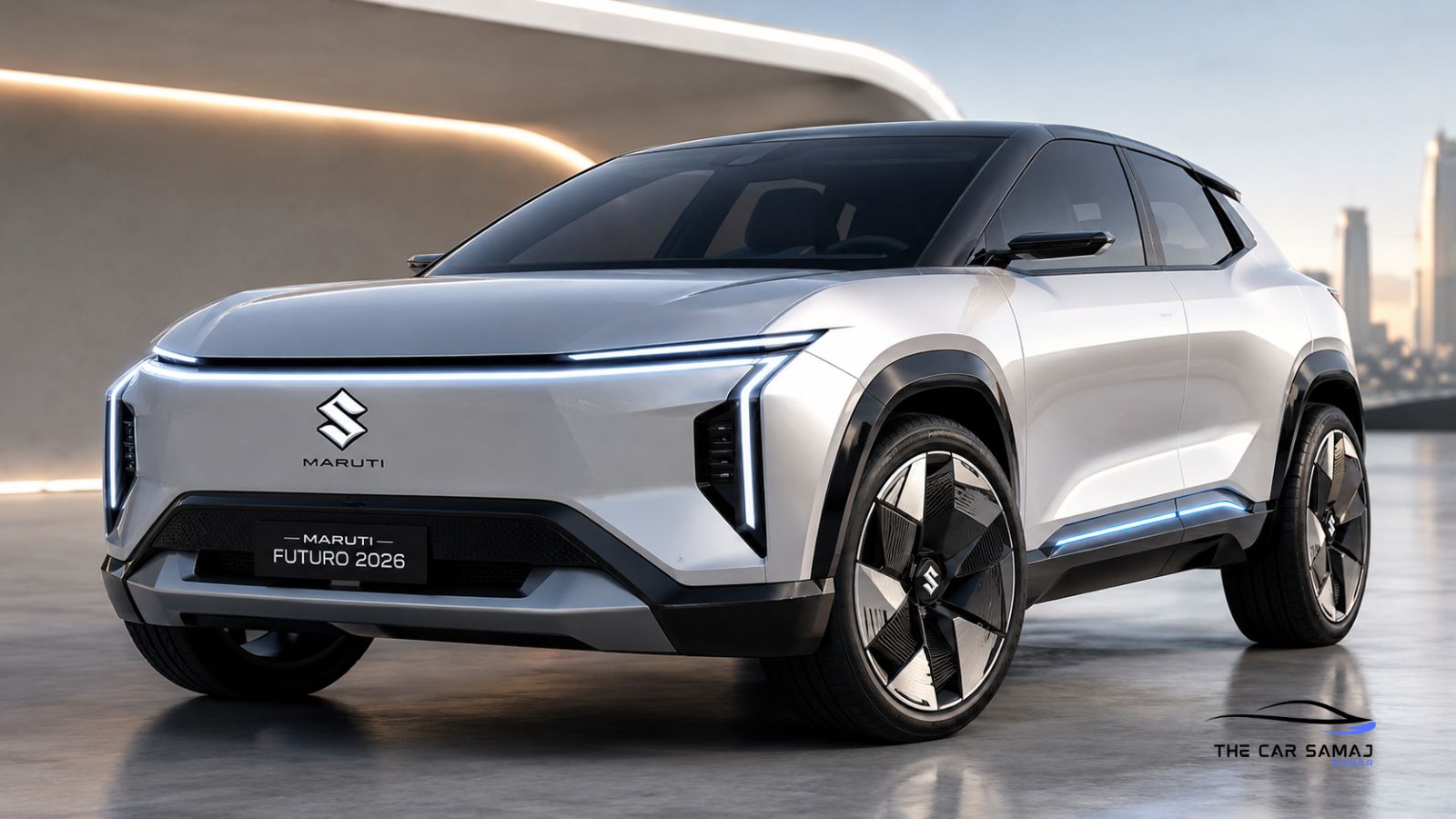
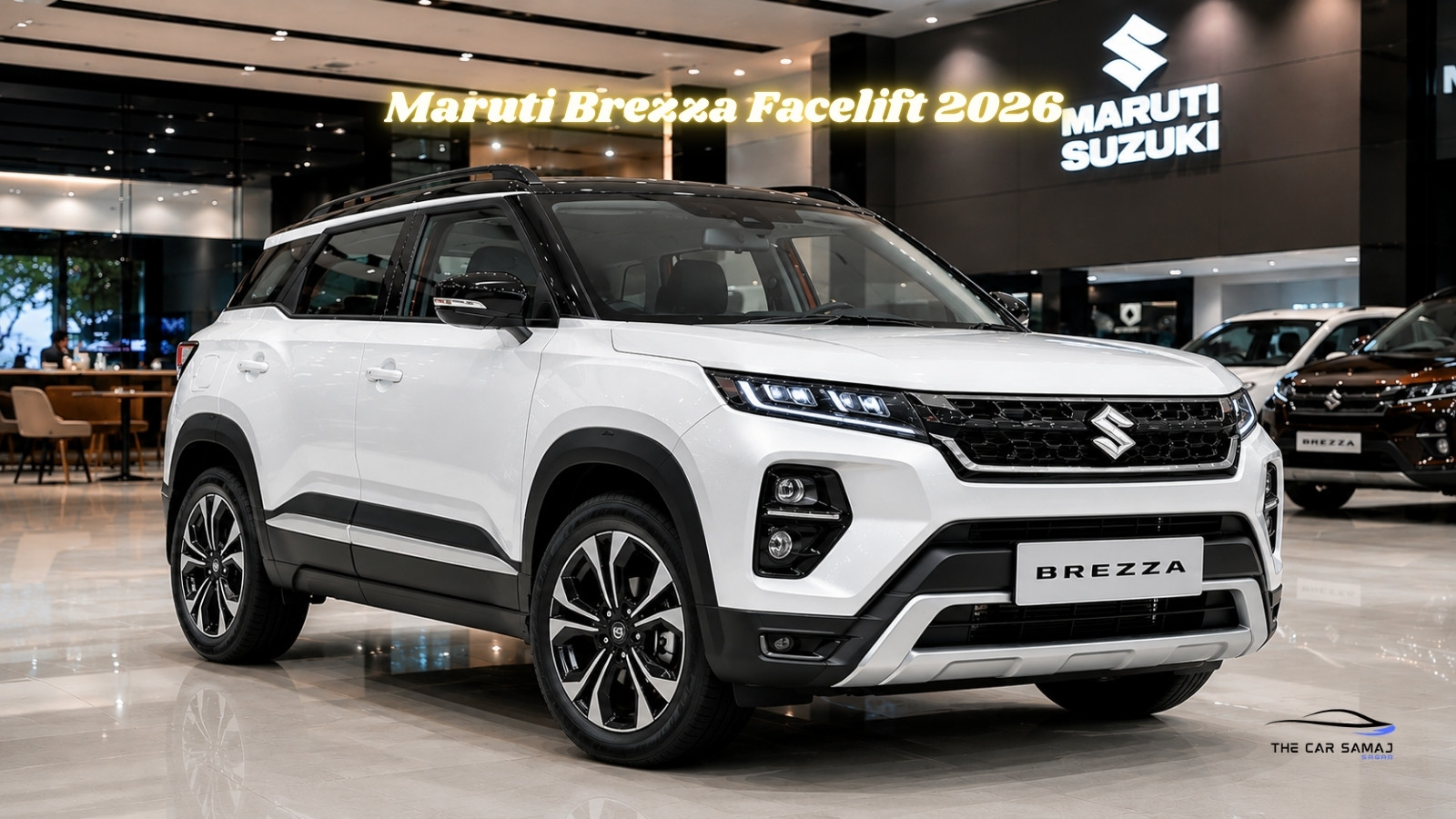
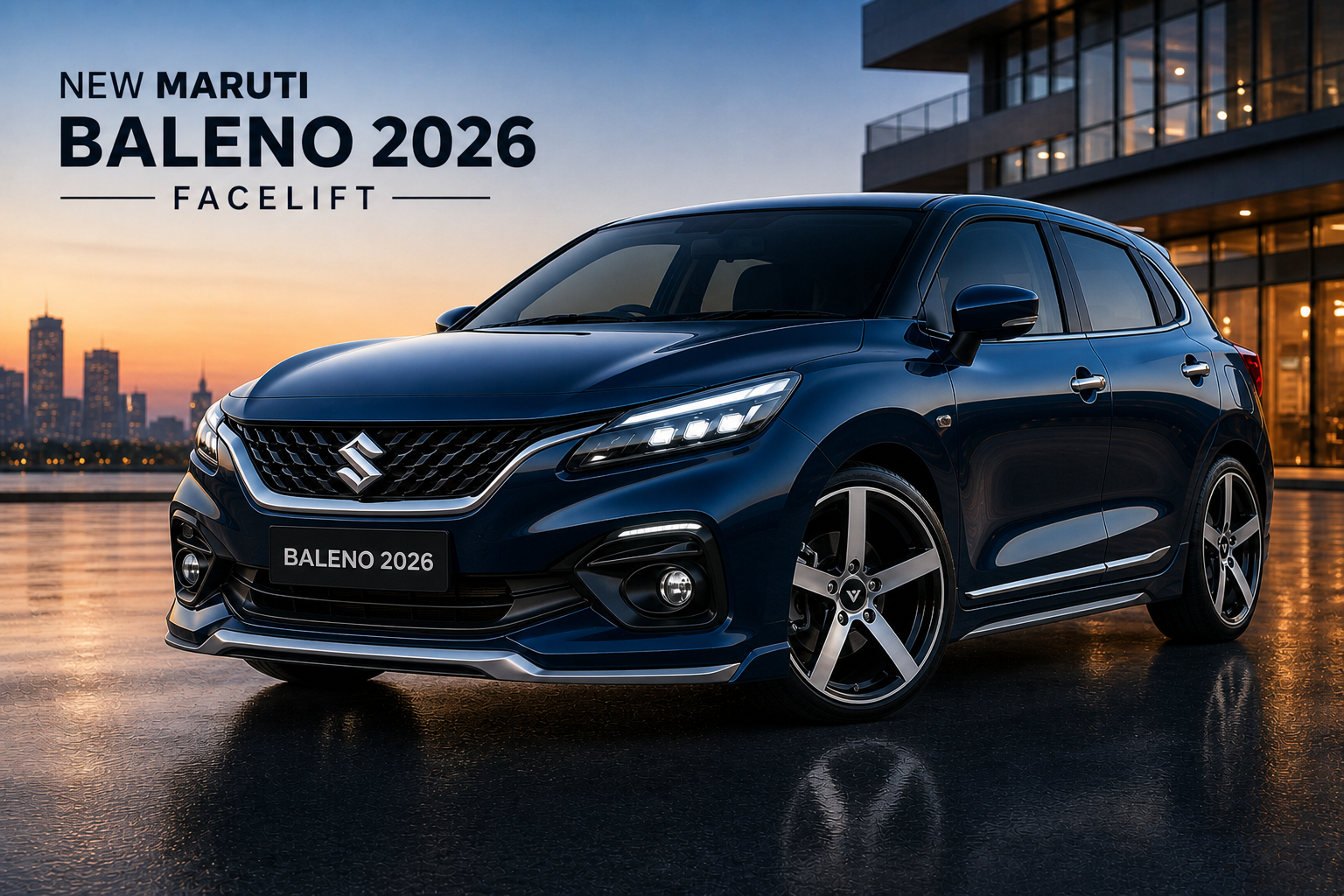
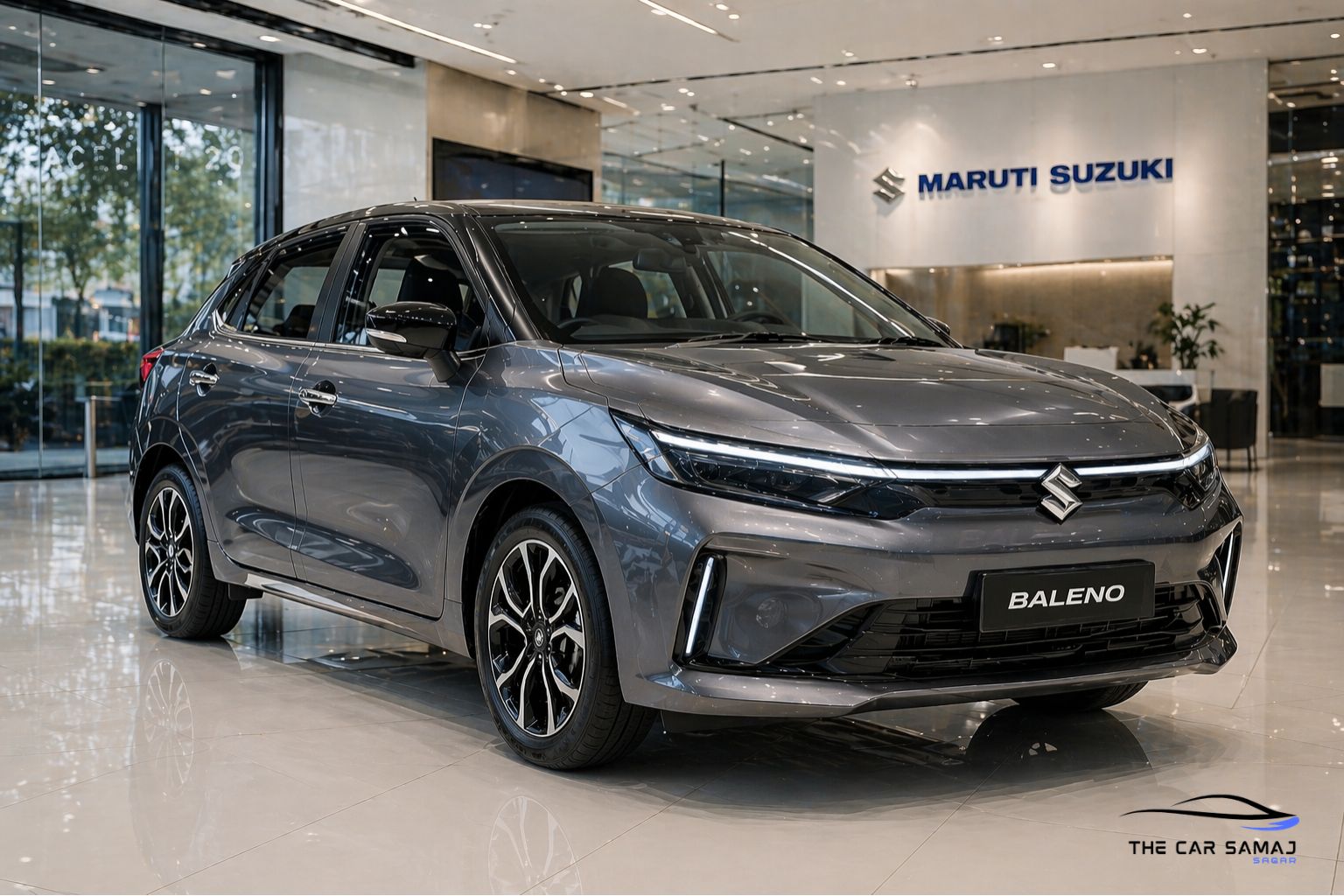
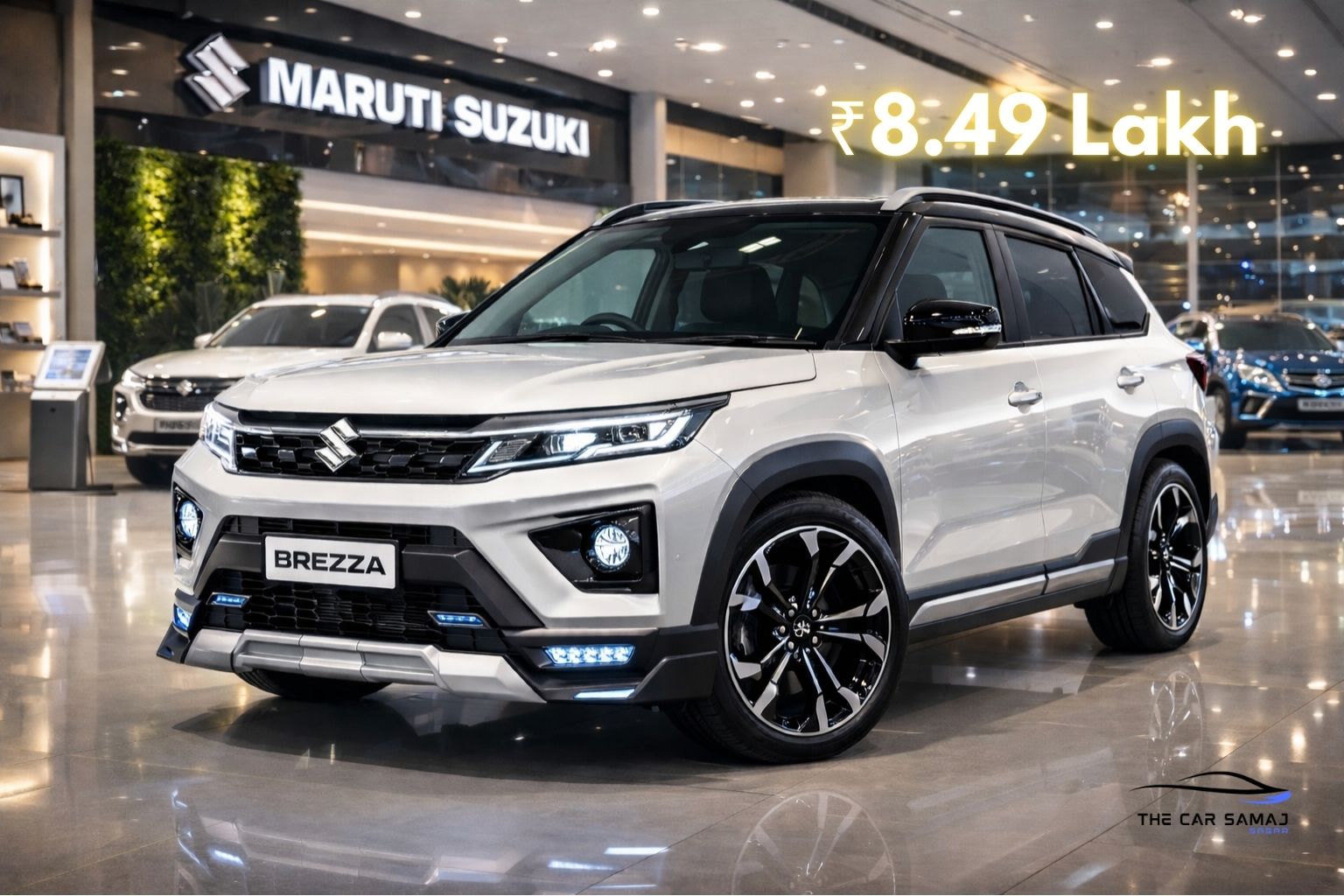
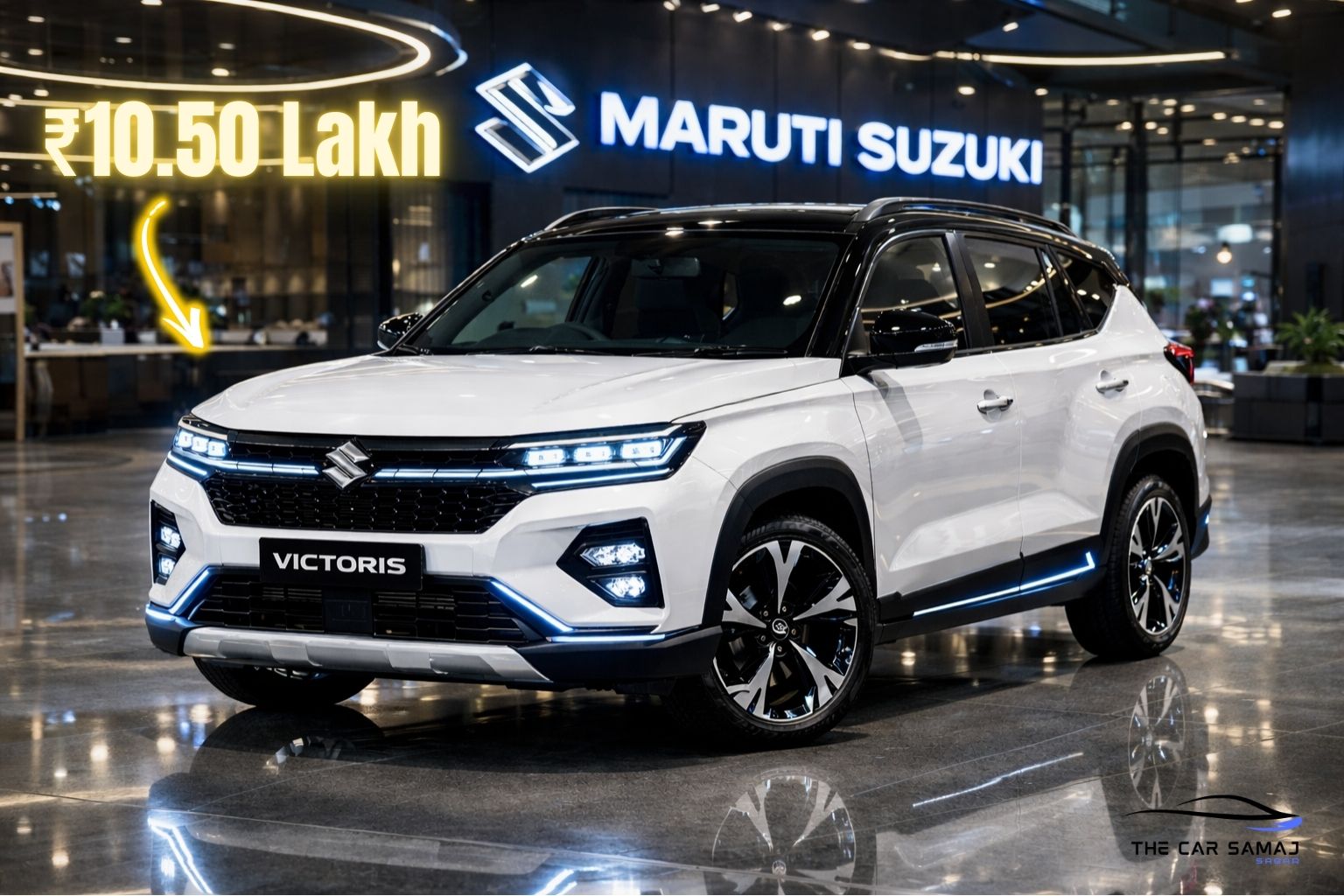
Maruti Suzuki’s entire business model is based on volume. The company’s focus has always been on affordability and mass appeal. For a middle-class Indian family, a Maruti showroom is like a comfort zone, where they can find a car like the Alto for around ₹5 lakh, a reliable hatchback like the Swift within an ₹8 lakh budget, and if they want to spend a little more, a crossover like the Fronx is also an option. Maruti knows that the majority of buyers in India are price-sensitive, so selling more cars at lower margins is their biggest strength. Maruti’s extensive service network and strong resale value in every city, town, and village further strengthen its position.
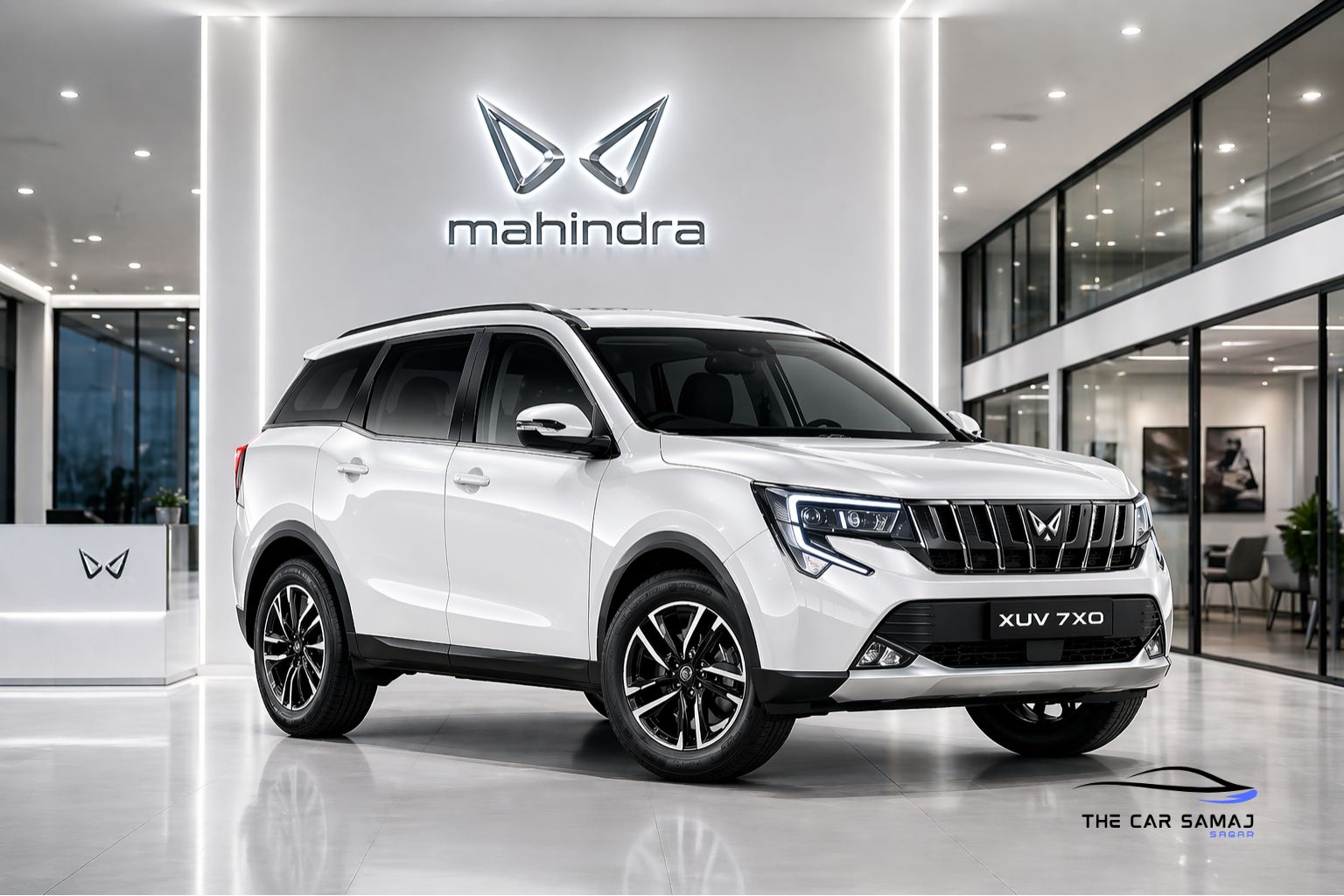
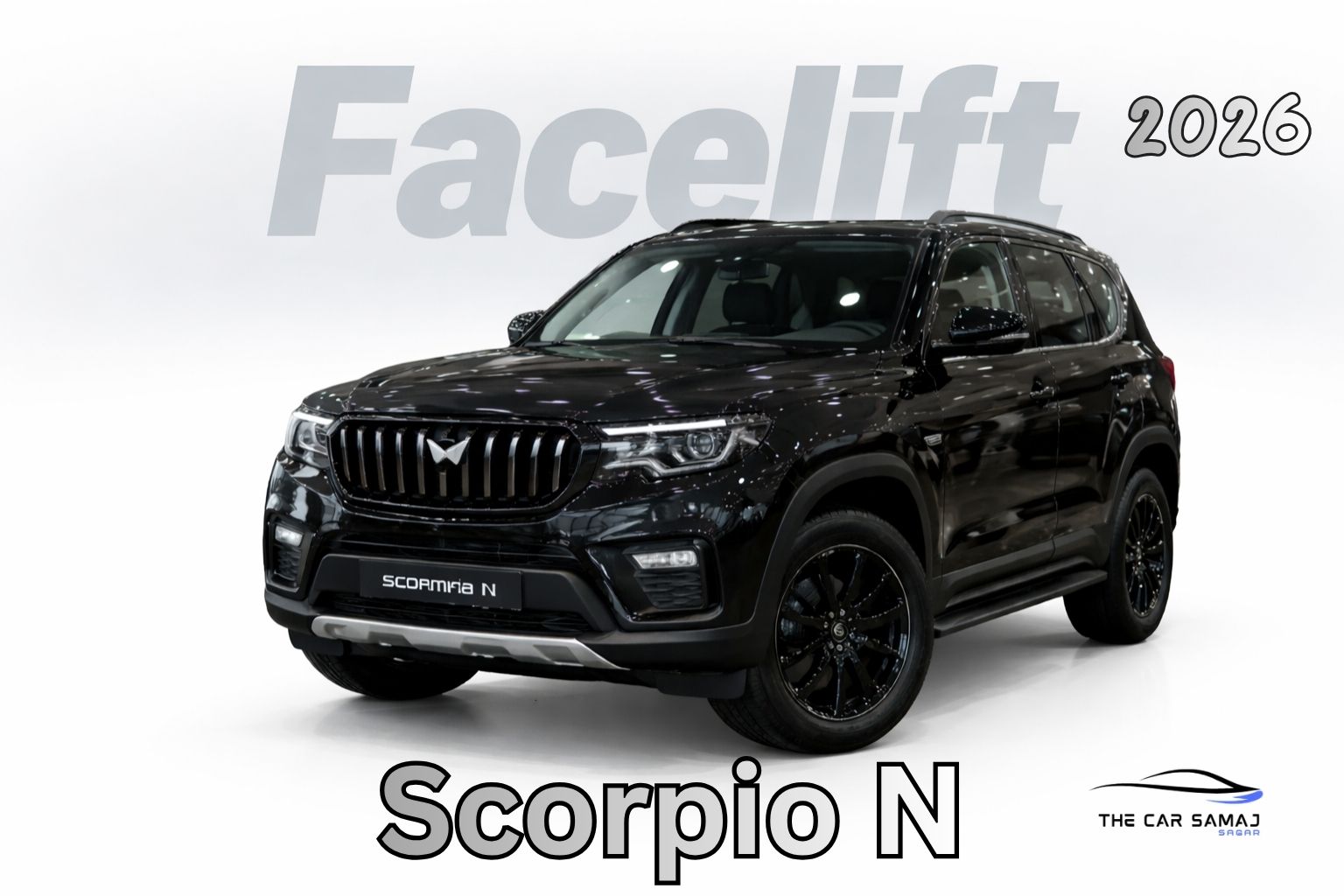
Mahindra’s approach is quite different. Mahindra doesn’t chase entry-level buyers. Its cars start where Maruti’s range ends. Models like the Thar, Scorpio, and XUV700 target emotional and aspirational buyers who are willing to spend money not just on mileage but also on road presence, power, and image. Mahindra sells fewer cars, but it extracts more value and higher earnings from each vehicle. This strategy might seem risky, but given the demand for premium SUVs, it is proving quite profitable for Mahindra.
September 2025 Sales Data: The Numbers That Tell the Truth
If we look solely at sales volume, the September 2025 numbers paint a clear picture. Maruti Suzuki sold approximately 189,665 units that month, while Mahindra’s sales were only 56,233 units. On the surface, it seems like Mahindra isn’t even in the race. Maruti’s sales are three times higher than Mahindra’s, which is why people generally assume that Maruti is making the most money.
However, the auto business isn’t just about the number of cars sold. The real game begins when we try to understand the revenue. This is where the comparison takes an interesting turn, because here, it’s not just “how many cars were sold,” but “at what price they were sold” that matters.
| Factor | Maruti Suzuki | Mahindra |
|---|---|---|
| Market Position | Mass-market & budget-focused brand | Premium & SUV-focused brand |
| Core Strategy | High volume, low margin | Low volume, high value |
| Entry Price Range | Around ₹5 lakh (Alto) | Around ₹10 lakh (Thar, Scorpio) |
| Popular Models | Alto, Swift, Baleno, Fronx | Thar, Scorpio, XUV700 |
| Units Sold (Sept 2025) | 1,89,665 units | 56,233 units |
| Average Car Price (Est.) | Lower (budget & mid-segment) | Higher (premium SUV segment) |
| Estimated Revenue (Sept 2025)* | ₹15,431 crore | ₹9,433 crore |
| Revenue vs Sales Insight | More cars, more total revenue | Fewer cars, very high revenue per car |
| Target Customer | Middle-class & first-time buyers | Aspirational & lifestyle buyers |
| Brand Image | Reliable, affordable, practical | Powerful, rugged, premium |
This comparison chart makes one thing perfectly clear. Maruti is the king of quantity, and Mahindra is the master of value. Maruti achieves massive sales volumes by catering to buyers in every segment, while Mahindra earns more money per unit despite selling fewer cars. Both companies have different business models, but both are successful in their own way.
The real truth about revenue: Less work, more money?
If we set aside government taxes and do a simple calculation—taking the average price between the base and top models of each brand—the revenue picture for September 2025 is quite eye-opening. Mahindra generated approximately ₹9,433 crore in revenue by selling only around 56,000 vehicles. This number proves how powerful a premium pricing strategy can be.
On the other hand, Maruti Suzuki earned approximately ₹15,431 crore in revenue by selling almost three times as many vehicles. This means that Maruti is still generating more total revenue, but a proportional comparison shows that Mahindra’s earning efficiency is quite strong. Mahindra is generating nearly 60% of Maruti’s revenue with only about 30% of the sales volume, which would be considered impressive from any business perspective.
The changing reality of the Indian car market
This comparison doesn’t just show a battle between two companies but also reflects the evolving mindset of the Indian car market. Today’s buyer doesn’t just want a “cheap car.” Income levels are rising, aspirations are changing, and people are viewing cars not just as transportation but as a lifestyle and status symbol. That’s why brands like Mahindra, which focus on premium and rugged products, are receiving such a strong response.
Another interesting aspect of this data is that it challenges the narrative that “India is a poor country.” Thousands of customers are buying cars priced between 10 and 25 lakh rupees in a single month. This clearly shows that along with affordability, the demand for premium products is also growing rapidly in the Indian market.
Who is the real winner?
If the question is who sells the most cars, the answer is clear—Maruti Suzuki. If the question is who is making serious money despite selling fewer cars, then Mahindra’s name comes to mind. But if you look at the overall picture, Maruti is still the king of the Indian auto market in terms of total revenue. Mahindra has come quite close, and if the demand for premium SUVs continues to grow at this pace, this gap could narrow even further in the future.
So, the next time someone says that India is only a market for budget cars, remind them of this comparison. India is not only buying more cars these days, but it also has the capacity to buy expensive cars and this is the biggest evolution of the Indian automobile industry.
If you were to buy a car today, would you choose a budget-friendly Maruti or a powerful Mahindra SUV? Share your decision and reasons in the comments below. your opinion will be helpful to other readers.
Explore More on The Car Samaj
Visit – Toyota Fortuner December 2025 Discounts ₹2 Lakh Year End Offers
Visit – Maruti Suzuki Swift Year End 2025 December Discounts | LXI, VXI, ZXI,ZXI+
Visit – All New KIA Seltos 2026 Launch at ₹11.30 Lakh | Find New look New features & Launch Date
FAQs


Leave a Reply